


Newsroom

Cricket players training fitness in the ground

Ground Training Workouts for Cricketers: Boost Your Game

Training is now an important aspect of the game which can not be compromised with. It helps a player in performing the skill better. The fitter the player, the better and consistent he/she performs. 
a player should take time out from their routine and indulge in ground training and gym workouts. 

Different routines can be followed in ground training like endurance, speed , agility etc. all this will ultimately help in bring the best version forward. However, it is important to create a balance between skill and training, over doing can also drain energy and affect performance. Hence, a player should draw a player so that they effectively and efficiently manage their workload. 

Read moreabout Ground Training Workouts for Cricketers: Boost Your Game
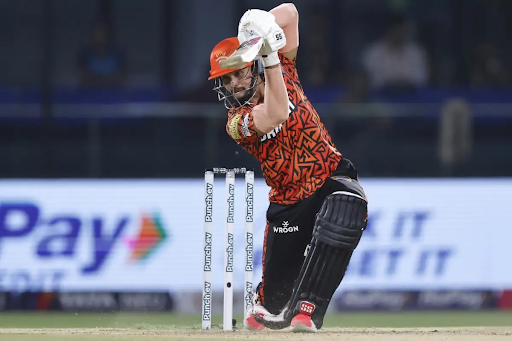
IPL Emerging Player Award Winner Nitish Reddy plays a cover drive

How to get selected for the IPL?

IPL is big tournament in India and is conducted annually by BCCI. It gives a great platform to all the existing and new players as their performance here can earn them an India cap. The process of getting selected in IPL is through scouts, academies, performance in board matches etc. Players too need to have extraordinary talent to play at this mega event. They need to be really good in their department, that is, batting or bowling. They need to have sharp fielding skills as well, only then they can survive and excel at the highest level. 

Read moreabout How to get selected for the IPL?

An image showing the Virat Kohli's meals in a day

Best Diet for Cricketers: Tip for Performance and Recovery

Diet plays a very crucial role in cricket. A player can perform well if they follow the right diet. Just like a player have to follow their practice routines on a regular basis, they have to follow their diet plan as well. 
diet includes macro nutrients- proteins, carbohydrates, fats and micro nutrients- vitamins and minerals, it also includes water. It is recommended for players to fuel their body with 3-4 litres of water each day as this will help them in avoiding dehydration. 
players should be conscious in what they are eating before the competition, during the competition and after the competition. 
following a strict diet plan can significantly improve their performance.

Read moreabout Best Diet for Cricketers: Tip for Performance and Recovery
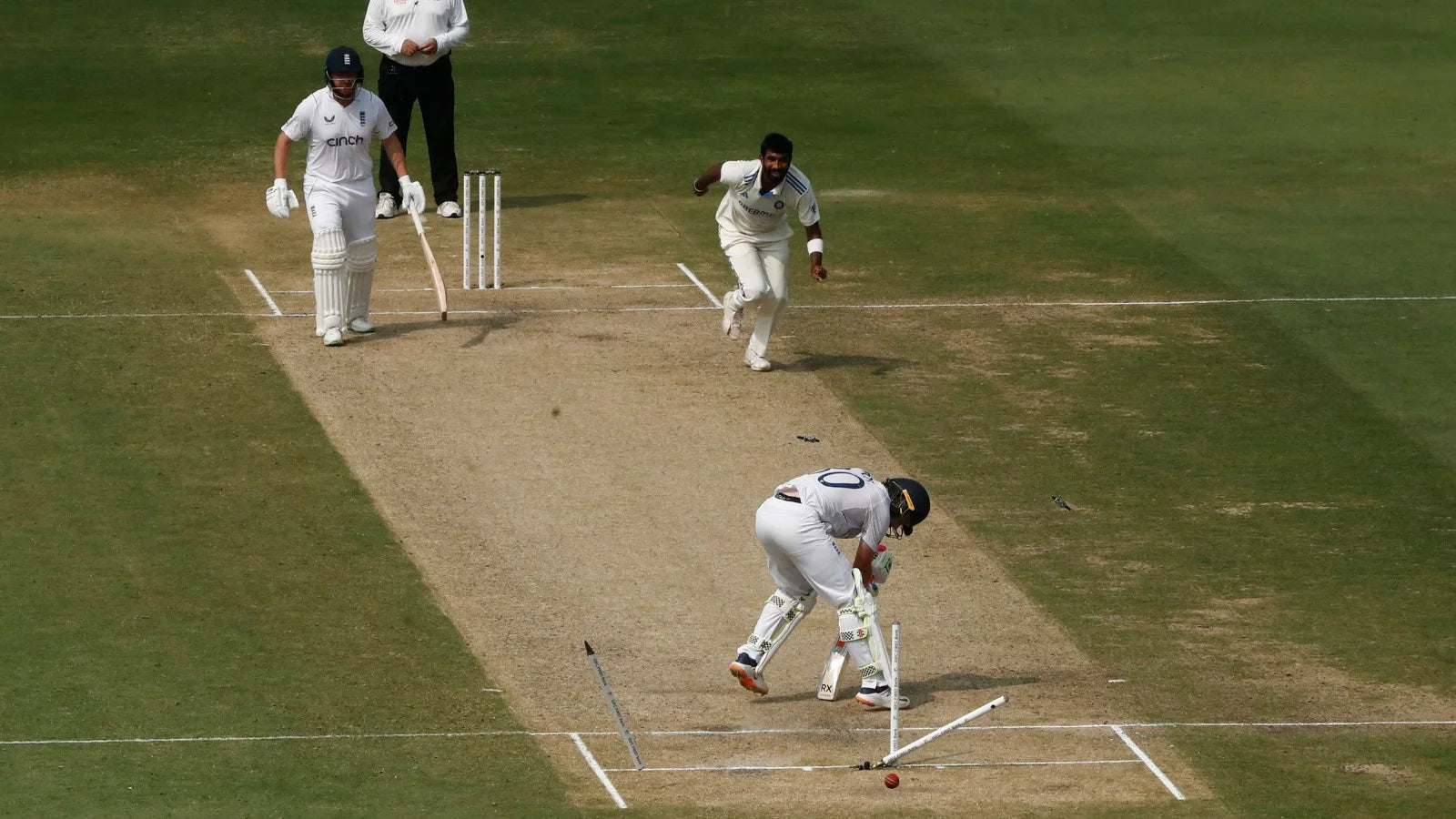
Jasprit Bumrah bowls Ollie Pope with a perfect yorker in a test match

How to bowl the perfect yorker while bowling in cricket?
Bowling the right line and length is crucial, especially for fast bowlers in powerplay and death overs. Perfect yorkers are key in death overs to prevent runs and take wickets, but a slight miss can lead to boundaries. A yorker lands near the batsman's feet, making it hard to play. Fast bowlers use yorkers to limit scoring, especially in limited-overs matches. To bowl a perfect yorker, grip the ball properly, visualize, maintain a consistent run-up, prioritize accuracy, use your shoulder for power, aim precisely, and stay balanced. Watching experts like Bumrah, Starc, and Kumar can help. Fast yorkers are ideal, but slower variations are also effective. Jasprit Bumrah and Lasith Malinga are top yorker bowlers.

Read moreabout How to bowl the perfect yorker while bowling in cricket?

The Knuckle Ball Grip

How to bowl a knuckle ball in cricket?
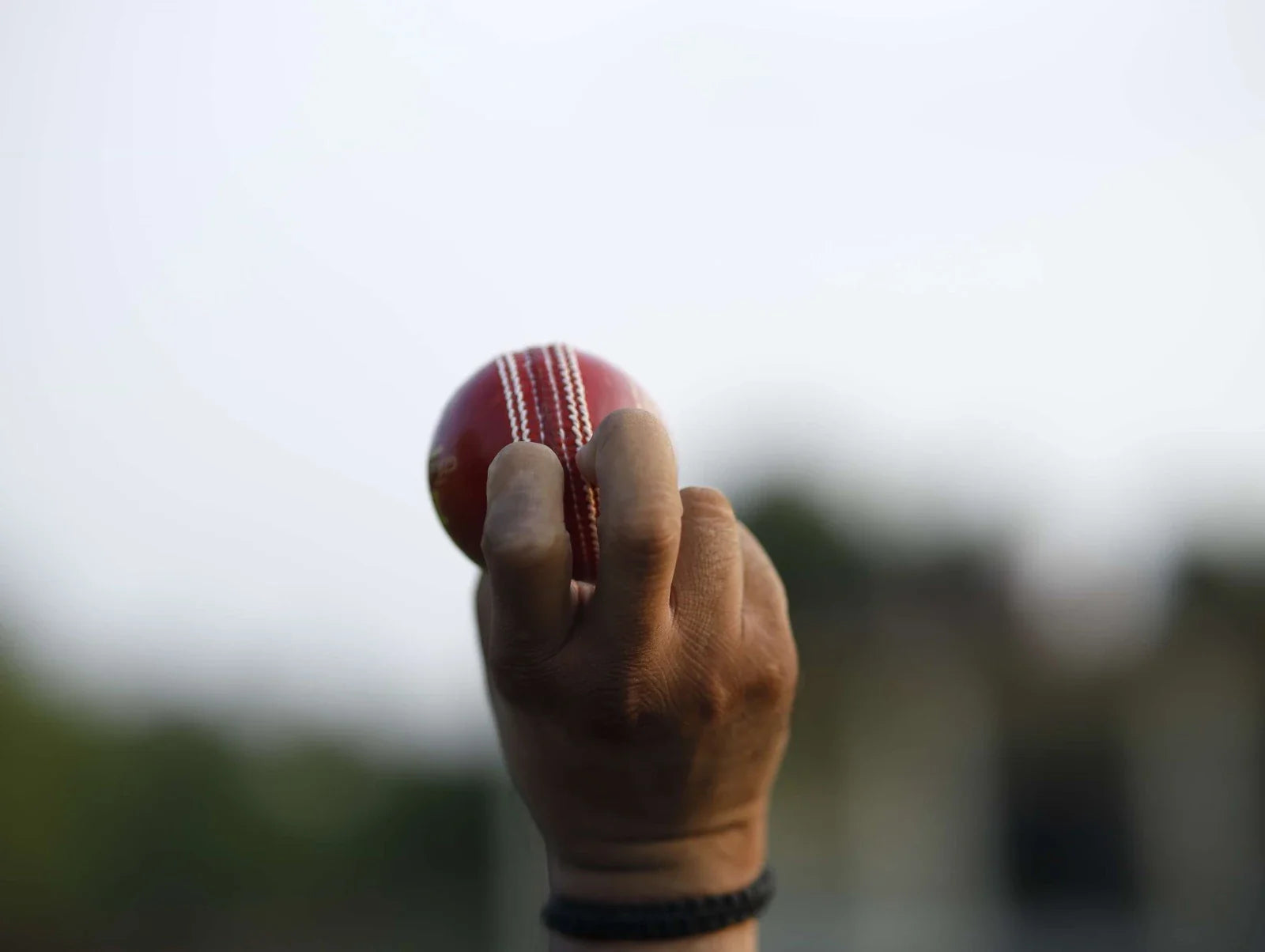
Modern cricket is fast-paced, leading bowlers to develop new techniques like the knuckleball, used in death overs to deceive batsmen. The knuckleball is gripped with the knuckles, released with minimal spin, making its speed and trajectory unpredictable. To bowl it, grip the ball loosely with fingernails, maintain your usual run-up, and release it off your knuckles for a slower delivery. Effective only if your regular pace is fast, use sparingly to avoid predictability. Zaheer Khan popularized the knuckleball. Other slower balls include leg and off cutters, and back-of-the-hand deliveries.

Read moreabout How to bowl a knuckle ball in cricket?

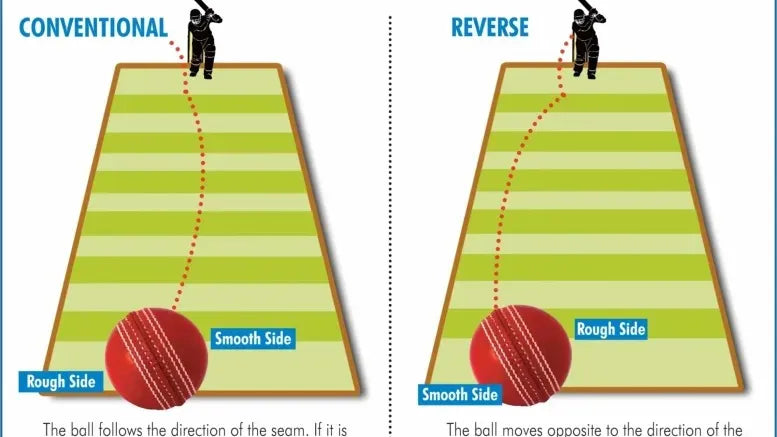
The Difference between conventional swing bowling and reverse swing bowling

How to bowl Reverse Swing Bowling in Cricket
Fast bowling combines precision and power, with reverse swing being a key skill. Reverse swing occurs when an old ball moves opposite to the normal swing, baffling batsmen. To master it, bowlers must polish one side of the ball and roughen the other, maintain a specific wrist angle, and bowl at speeds over 80 mph.

Read moreabout How to bowl Reverse Swing Bowling in Cricket

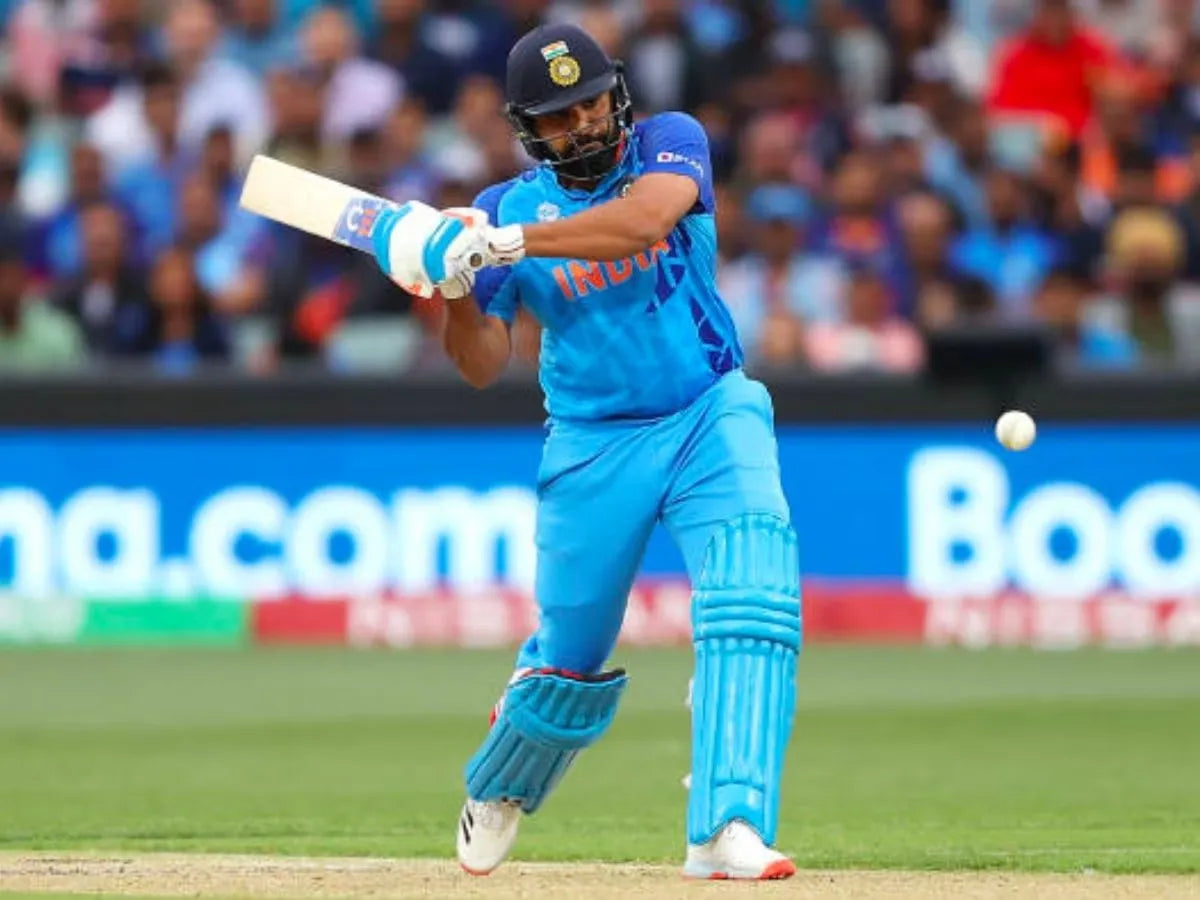
Rohit Sharma positions himself to play the pull shot in an ODI match

Becoming a Champion Batter: How To Bat as an Opening Batter
Opening batters must have perfect timing, placement over power, and solid technique. They face the new ball's challenges, set the team's foundation, and adapt quickly to pitch conditions. Key skills include straight batted shots and handling swing and spin. Their mentality should be calm and responsive. Sachin Tendulkar is widely regarded as the greatest opener.

Read moreabout Becoming a Champion Batter: How To Bat as an Opening Batter
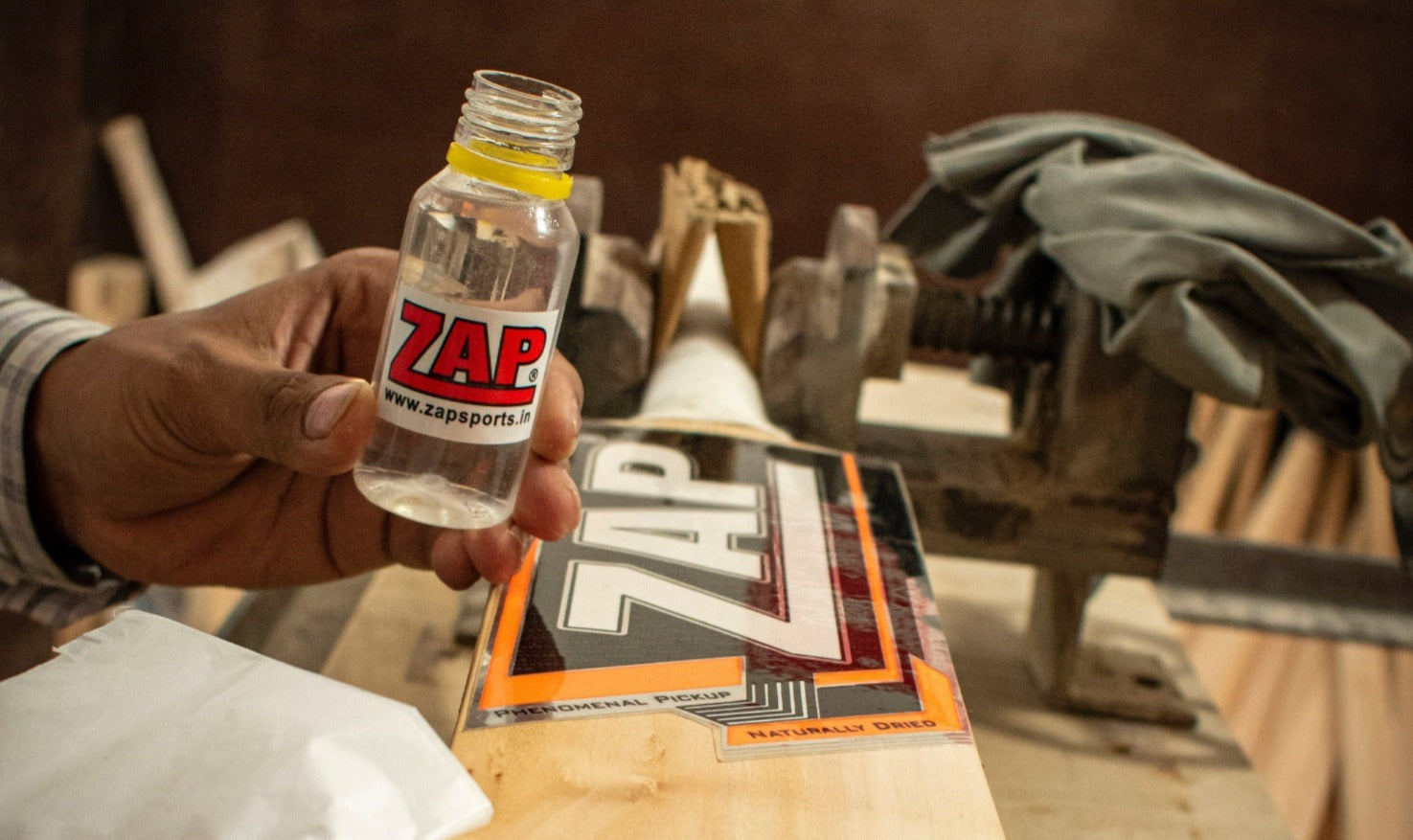
How to Oil a Cricket Bat | Step By Step Process

How to Oil a Cricket Bat | Step By Step Process

Cricket bats, especially English willow, require regular oiling with linseed oil to maintain moisture, prevent cracking, and enhance performance. Proper care involves cleaning the bat, applying oil evenly, allowing drying time, and performing post-oiling maintenance like knocking in the bat and using a scuff sheet. Avoid over-oiling, use the correct oil, and ensure adequate drying time.

Read moreabout How to Oil a Cricket Bat | Step By Step Process

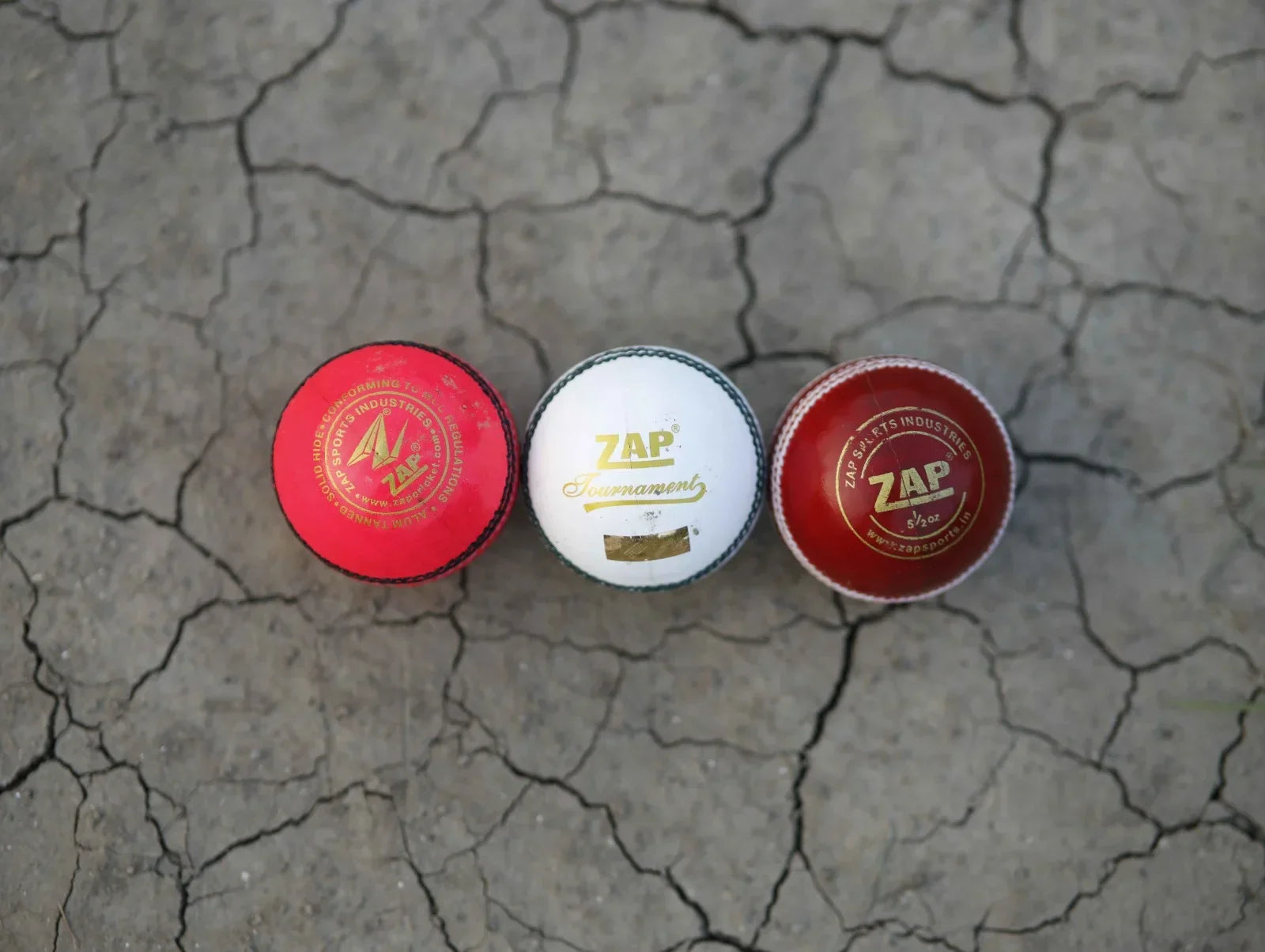
The Pink, White and Red ZAP Leather Cricket Balls Placed beside one another

What is the right colour of the ball to play with in your practice sessions?

Cricket's evolution demands smart practice with the right ball: white for T20/ODIs, red for Tests, pink for day-night Tests. White balls suit power-hitting and fielding practice, red balls for swing and endurance, and pink balls for night conditions. Synthetic balls help beginners and pros alike.

Read moreabout What is the right colour of the ball to play with in your practice sessions?