

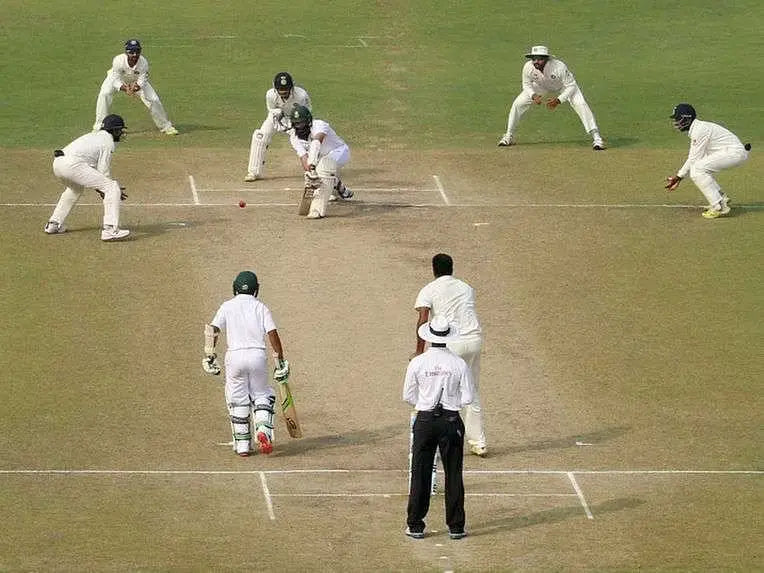
How to Set an Attacking Cricket Fielding Setting
 Attacking cricket fielding setups aim to pressure batsmen into errors by positioning fielders close to the pitch, especially during spin bowling spells. This strategy frustrates batsmen, making them prone to mistakes. In test matches, this setup typically includes slips, silly point, and short leg. For fast bowlers, strategy is crucial, with slip fielders and wicket keepers playing key roles. Effective fielding balances aggression with containment. Key positions include slips, silly point, short leg, silly mid-on, and silly mid-off. An attacking setup requires reflexes and courage from fielders, emphasizing the importance of strategy alongside skill in winning matches.
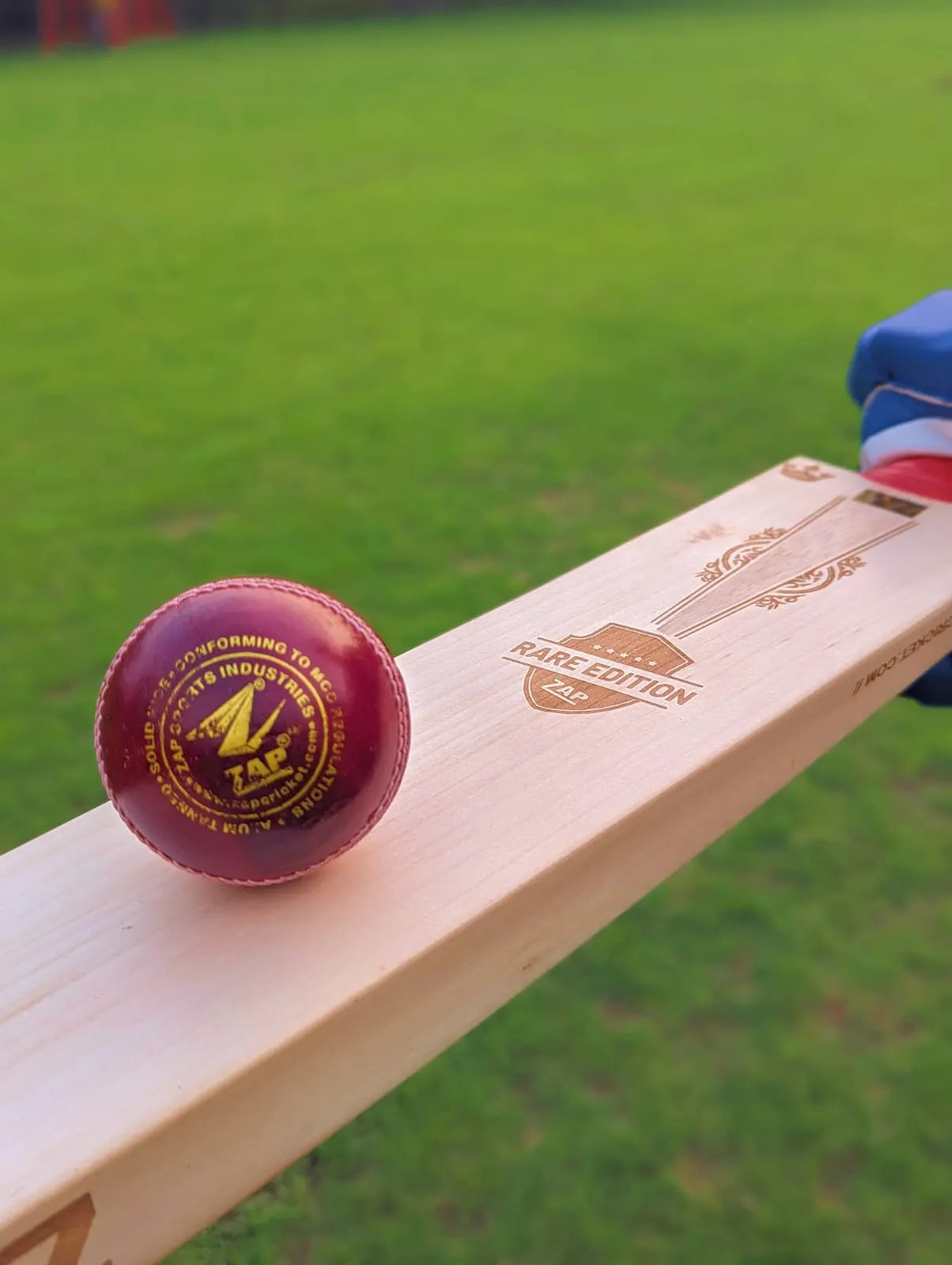
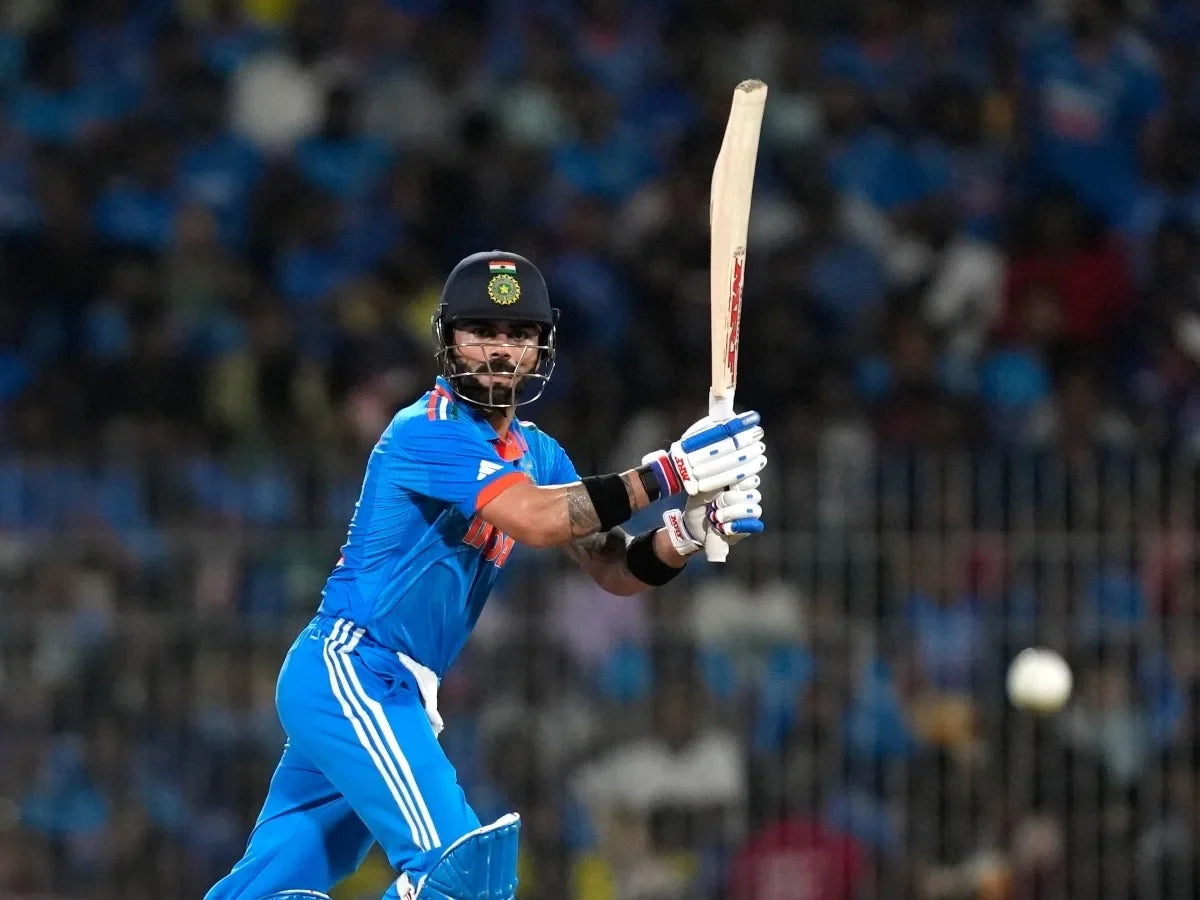
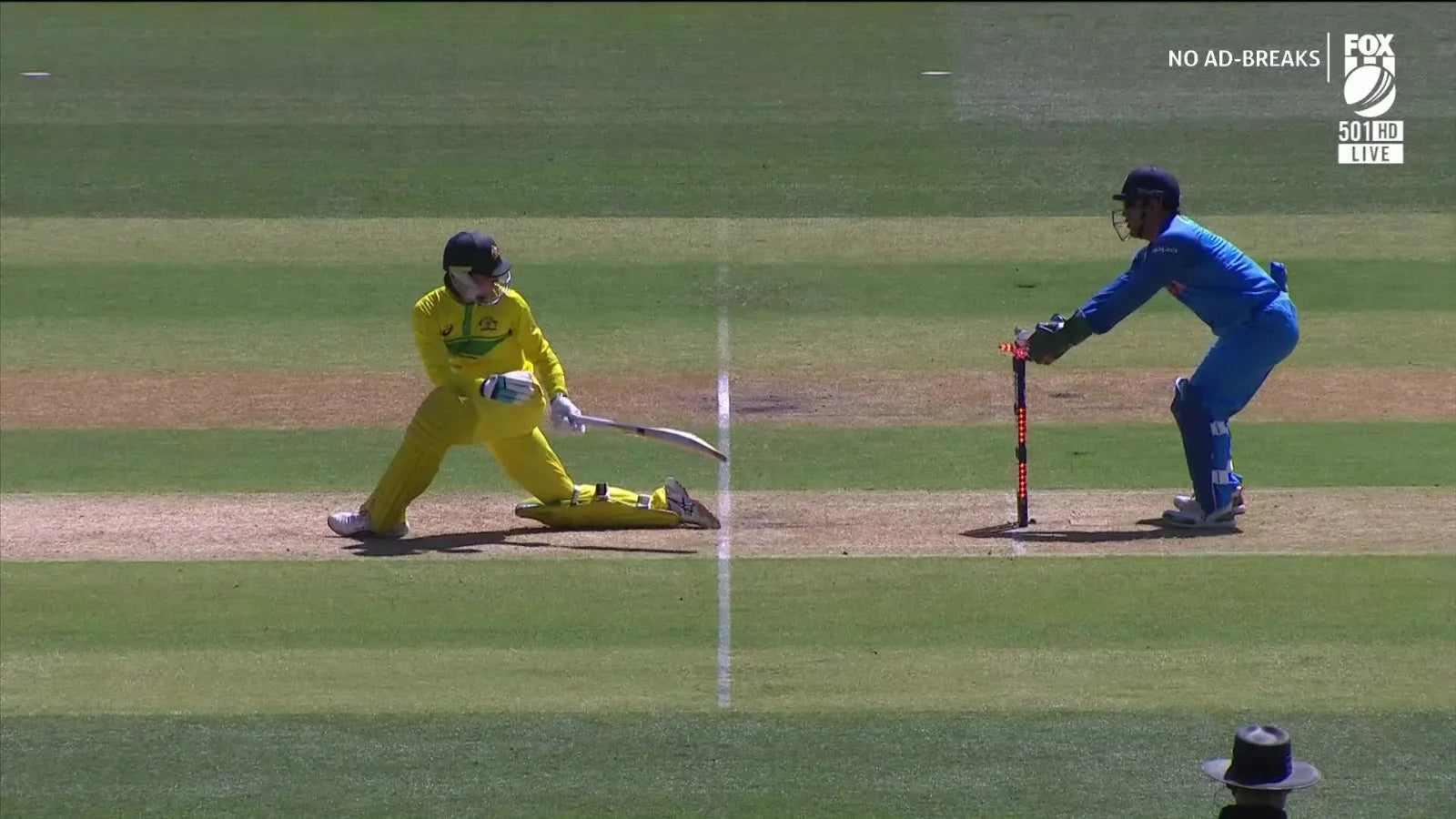
Types of Outs in Cricket | How to Dismiss a Batsman in Cricket
Cricket, a popular sport in India, has complex rules. The Marlybone Cricket Club in London manages these rules. There are 12 ways a batsman can be out, including bowled out, caught out, LBW, stumped out, run out, mankading, hit wicket, handling the ball, obstructing the field, timed out, hitting the ball twice, and retired out. Umpires ensure fair play and their decisions are final. Disobeying umpires or rules can lead to fines or bans.
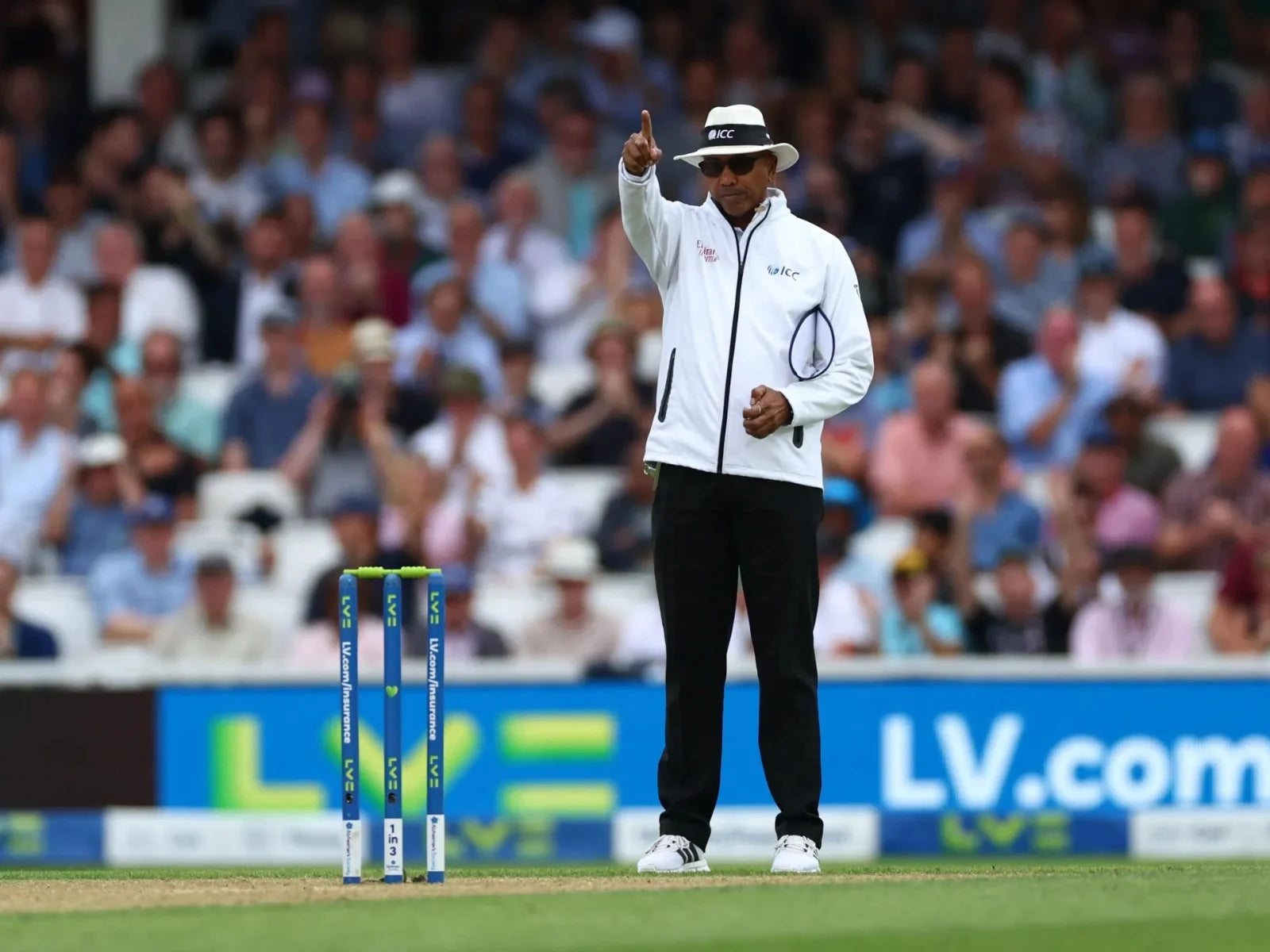
How to Become a Cricket Umpire: Training and Certification
Umpiring is challenging, requiring thorough knowledge, good communication, quick decision-making, and impartiality. To become a cricket umpire, you need training, certification, and physical fitness. Training involves understanding the rules, communication skills, and decision-making. Certification is provided by cricket governing bodies or umpire associations, and it includes on-field evaluations and exams. Physical fitness is crucial for umpires, requiring regular exercise, a nutritious diet, hydration, and flexibility exercises.
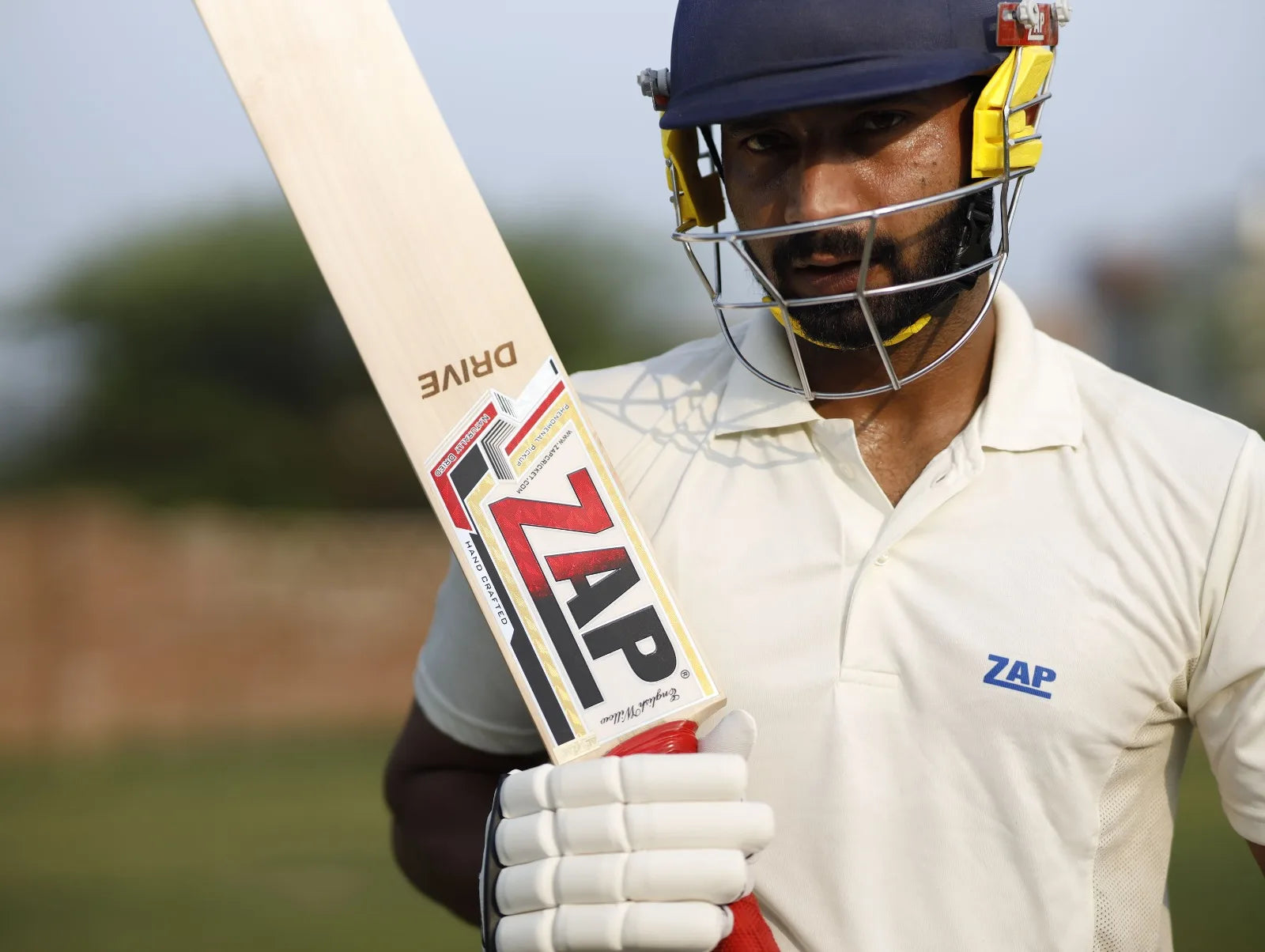
Becoming a Champion Batsman: Right mindset while Batting
Senior cricketers stress the importance of the right mindset in cricket, which separates exceptional players. We explain the mindset a batsman needs: Confidence through practice and learning, staying focused, adaptability, positivity, fearlessness, team focus, enjoying the process, clarity in thoughts, setting realistic targets, and maintaining good habits. These are crucial for success.

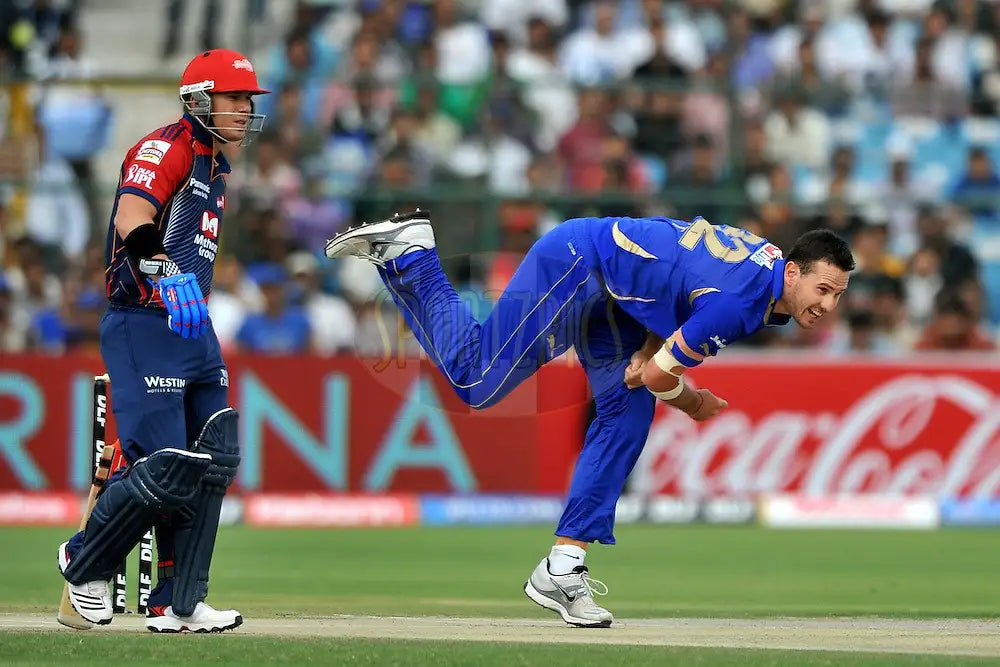
Fastest Balls in IPL History: Speed Unleashed
Top 10 Fastest Balls in IPL History:
- Shaun Tait (157.71 kmph) vs Delhi Daredevils
- Gerald Coetzee (157.4 kmph) vs Rajasthan Royals
- Lockie Ferguson (157.2 kmph) vs Rajasthan Royals
- Umran Malik (157 kmph) vs Sunrisers Hyderabad
- Mayank Yadav (156.7 kmph) vs Royal Challengers Bengaluru
- Anrich Nortje (156.22 kmph) vs Rajasthan Royals
- Umran Malik (156 kmph) vs Delhi Capitals
- Mayank Yadav (155.8 kmph) vs Punjab Kings
- Anrich Nortje (155.1 kmph) vs Rajasthan Royals
- Umran Malik (154.8 kmph) vs Delhi Capitals