

Newsroom
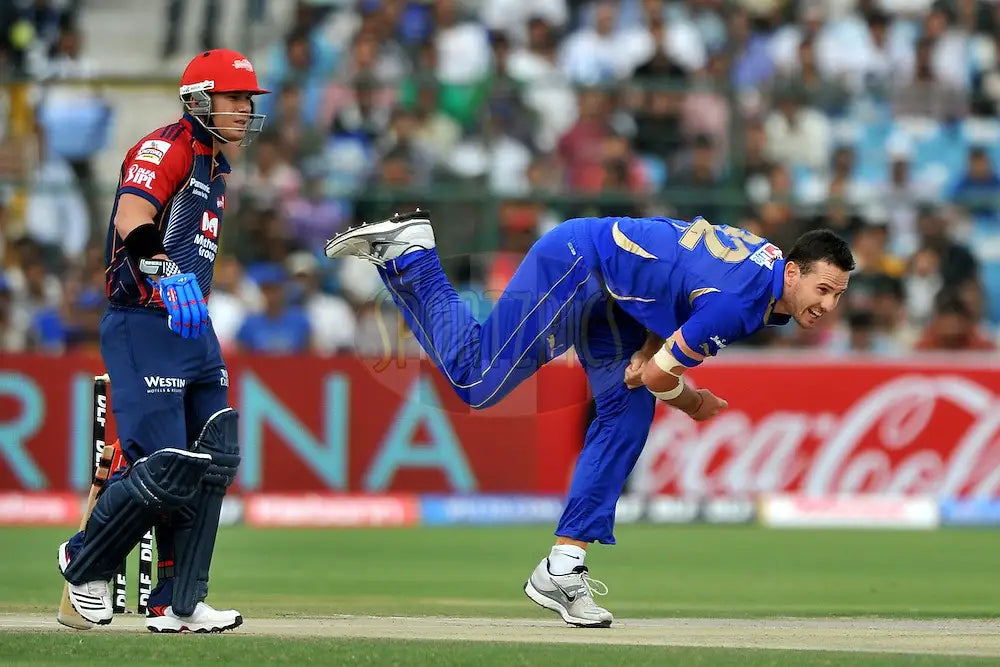
Fastest Balls in IPL History: Speed Unleashed
Top 10 Fastest Balls in IPL History:
- Shaun Tait (157.71 kmph) vs Delhi Daredevils
- Gerald Coetzee (157.4 kmph) vs Rajasthan Royals
- Lockie Ferguson (157.2 kmph) vs Rajasthan Royals
- Umran Malik (157 kmph) vs Sunrisers Hyderabad
- Mayank Yadav (156.7 kmph) vs Royal Challengers Bengaluru
- Anrich Nortje (156.22 kmph) vs Rajasthan Royals
- Umran Malik (156 kmph) vs Delhi Capitals
- Mayank Yadav (155.8 kmph) vs Punjab Kings
- Anrich Nortje (155.1 kmph) vs Rajasthan Royals
- Umran Malik (154.8 kmph) vs Delhi Capitals
Read moreabout Fastest Balls in IPL History: Speed Unleashed
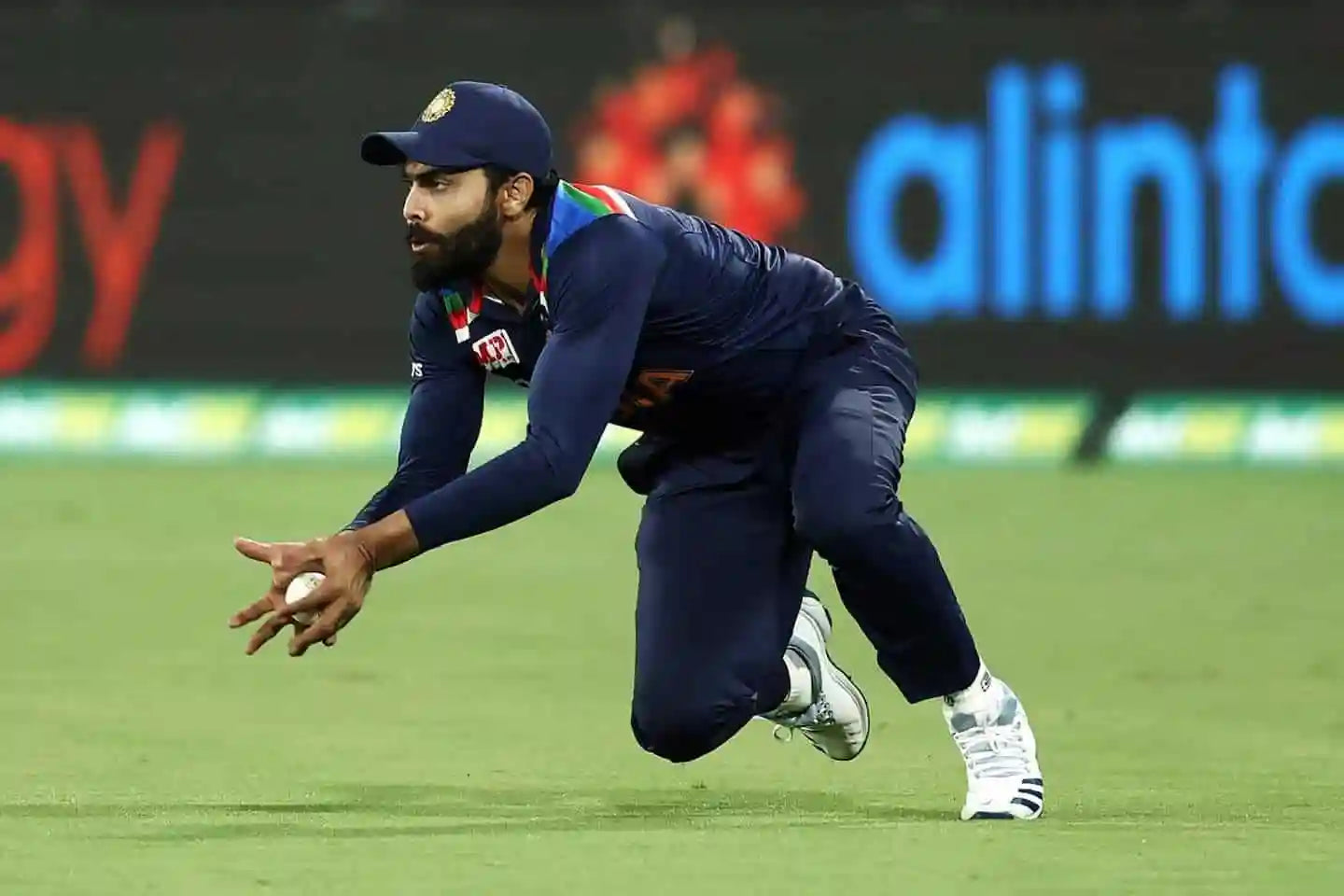
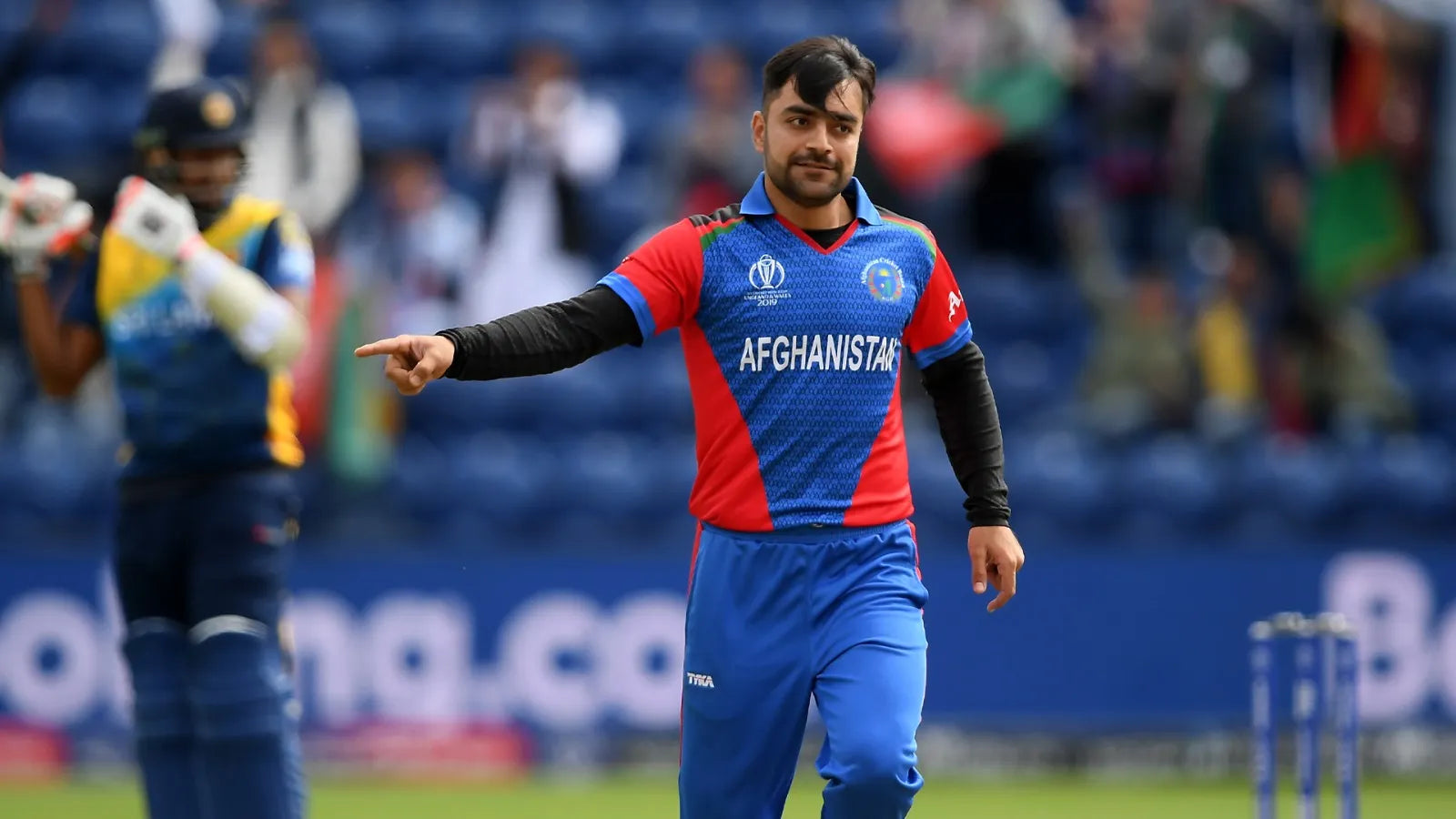
Learn How to Bowl a Googly Ball in Cricket
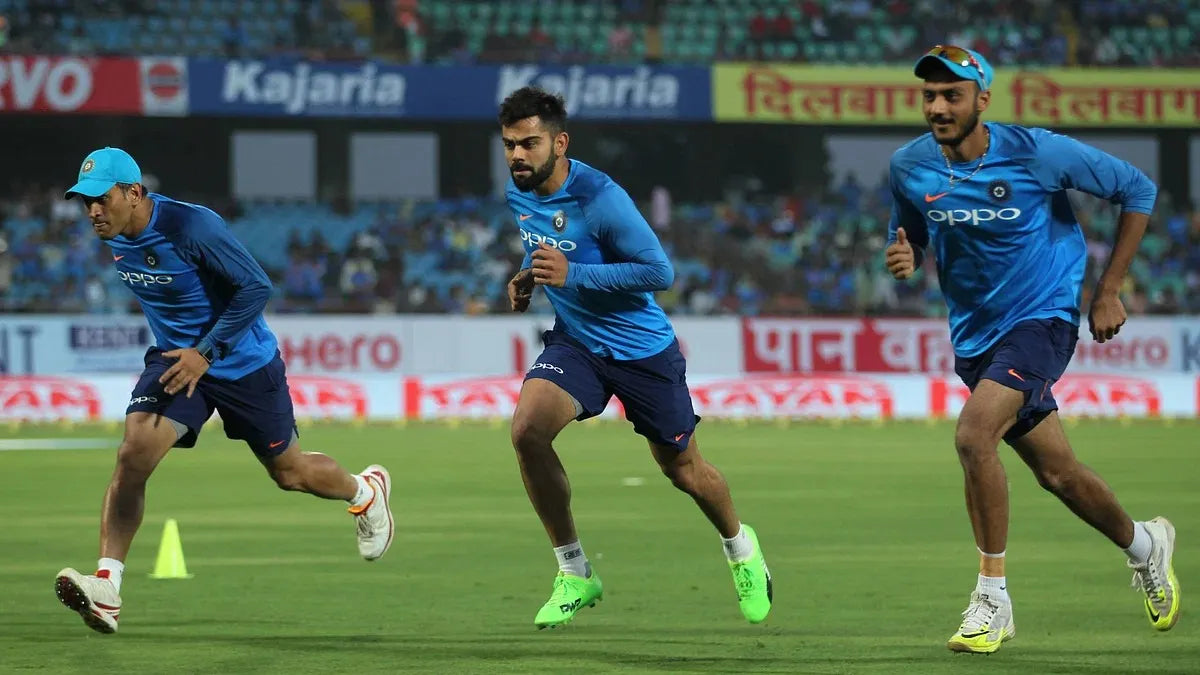
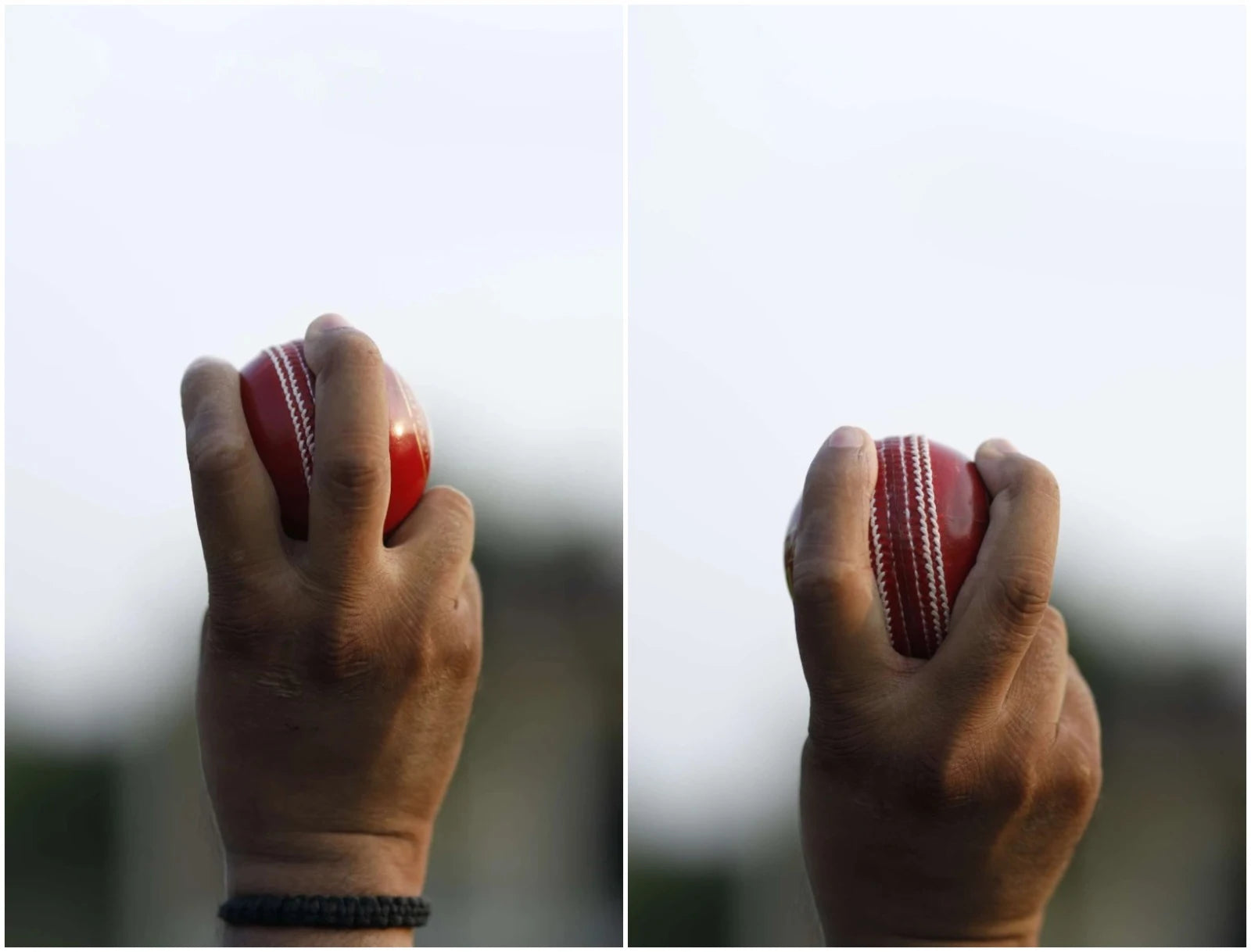
Swing Bowling in Cricket: Inswing, Outswing and Reverse Swing Techniques
Read moreabout Swing Bowling in Cricket: Inswing, Outswing and Reverse Swing Techniques
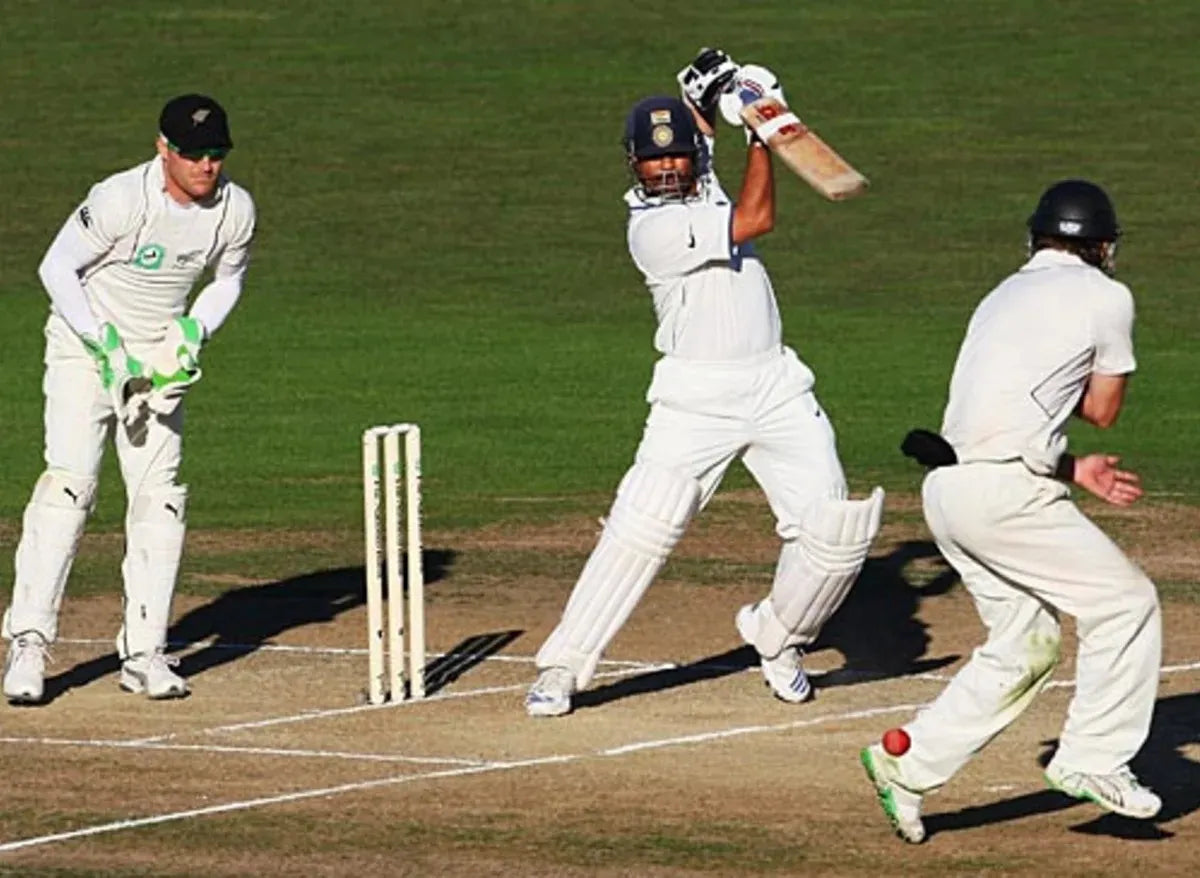
How to play the Backfoot Drive in Cricket?
In cricket, scoring quickly is crucial in T20s, but in longer formats, safety is paramount due to tricky deliveries. The backfoot drive is a safe shot for certain pitches. To execute it well, maintain the right stance, footwork, grip, and point of contact. Practice with drills like sidearm throwdowns and tennis ball exercises for improved performance.
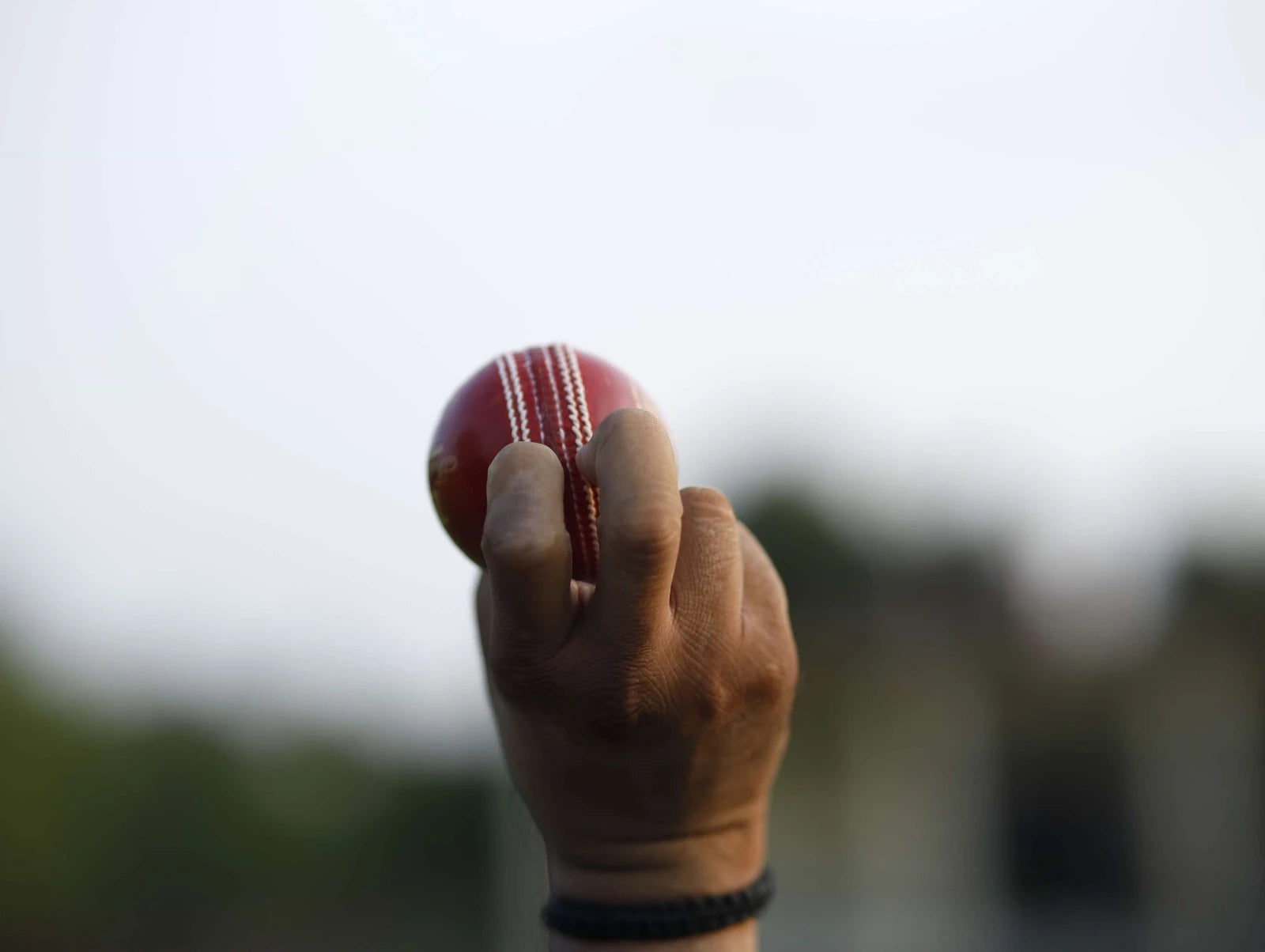
Fast Bowling Variations: Reverse Swing, Slower Balls and more
Bowling is a dynamic art in cricket, determined by the bowler's skill and temperament. Fast bowlers play a crucial role in various match situations. To excel, they need to master different variations like swing, reverse swing, length, bouncers, yorkers, and change of pace. It's essential to practice with quality equipment. For reverse swing, you need an older ball, focus on ball maintenance, and hold it correctly. Bouncers are aggressive but come with risks. Yorkers are lethal in the death overs. Slower balls can surprise batsmen and are crucial in limited-overs cricket. Off-cutters and leg-cutters are effective variations, while the knuckleball is unorthodox but deceptive. To increase bowling speed, work on strength and conditioning. To disguise slower balls, maintain consistency in your delivery. For reverse swing, manage the ball's condition.
Read moreabout Fast Bowling Variations: Reverse Swing, Slower Balls and more
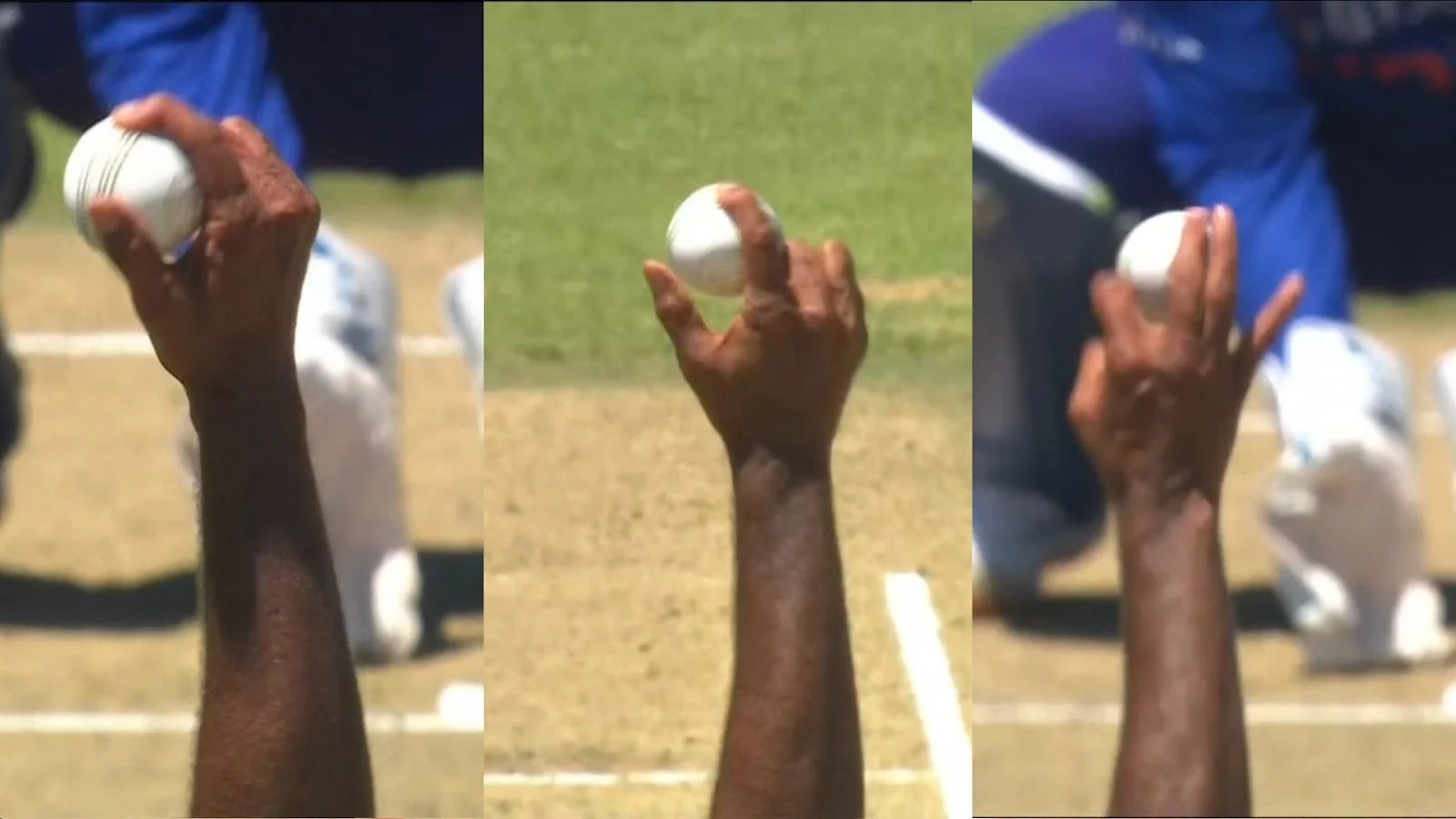
Mastering Spin Bowling Variations: Leg Spin and Off Spin
Spinners use different deliveries known as variations to confuse batsmen. For Leg spinners, these variations include the googly, a lethal tool that can turn the ball in both directions. The top spinner maintains its original path, leaving batsmen puzzled. The flipper is a challenging skill, with a rapid, flatter trajectory. The slider adds a deceptive dimension with sideways rotation. Mastering these variations can make a spinner formidable in the game.
Off-spin bowlers employ various variations, including the Arm Ball, Top Spinner, Doosra, and Carrom Ball. Each has unique grips and techniques to confuse batsmen. With practice, these variations can become potent weapons for bowlers, adding depth to their skills and challenging batters.
Read moreabout Mastering Spin Bowling Variations: Leg Spin and Off Spin
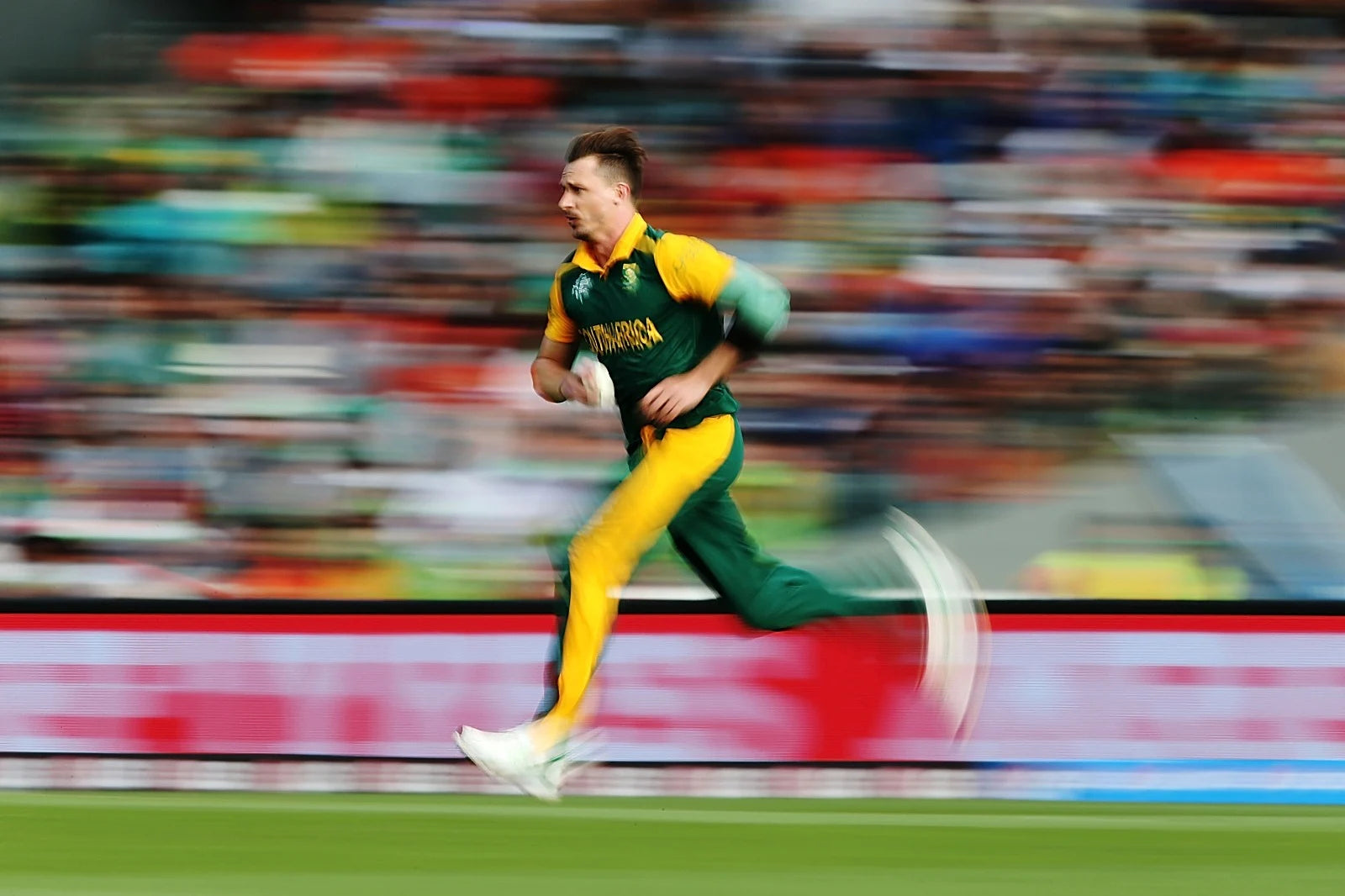
Mastering Fast Bowling: Tips and Techniques
Becoming a great fast bowler in cricket requires mastering the art of pace, swing, and seam. Focus on your run-up and release technique to build momentum and consistency. A proper grip is crucial, as it determines the precision of your deliveries and can make or break your success as a pacer. Cricket ball seam affects ball movement. There are two types of seam movement: Straight seam for lateral movement, cross seam for bounce. In-swing and out-swing deliveries create unpredictable ball paths. At the death, pace, yorkers, bouncers, and change of pace are key.
To bowl fast in cricket, focus on speed and aggression like pacers Mitchell Johnson and Shoaib Akhtar. Develop an effective run-up, brace your front leg, use your front arm, and maintain body alignment. A good follow-through is crucial to prevent injuries. Enhance flexibility and strength, and consider pitch conditions. Fast bowlers can use slower balls to surprise batsmen. Work on gym workouts and exercises for strength and fitness. Maintain a strong core and leg strength. Warming up and stretching are essential. Isometric holds and squats are beneficial. Seam position is crucial for ball movement, and fast bowlers need rigorous training for fitness and injury prevention. Increasing bowling speed requires dedication, gym workouts, progress tracking, and consistency.