
Newsroom

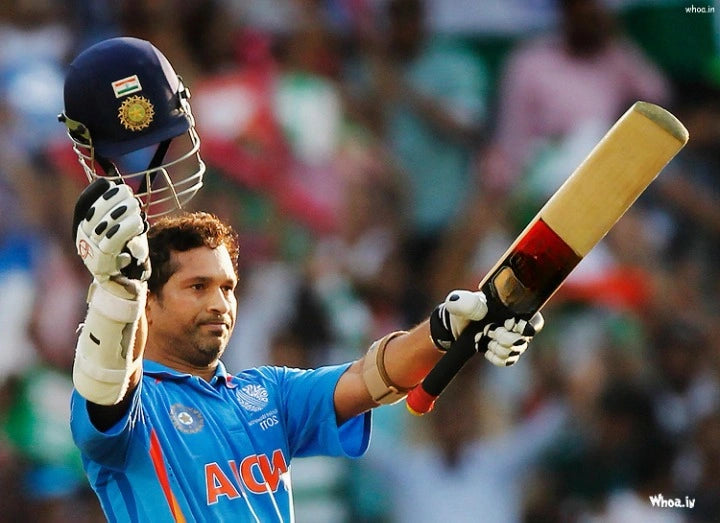
Sachin Tendulkar raises his bat and helmet to Celebrate his century in an ODI game

Most Centuries in Cricket: Dominating the Pitch
Sachin Tendulkar leads international cricket with 100 centuries, while Virat Kohli is second with 86 as of October 6, 2026. See updated Test, ODI, T20I and all-format century leaderboards.

Read moreabout Most Centuries in Cricket: Dominating the Pitch

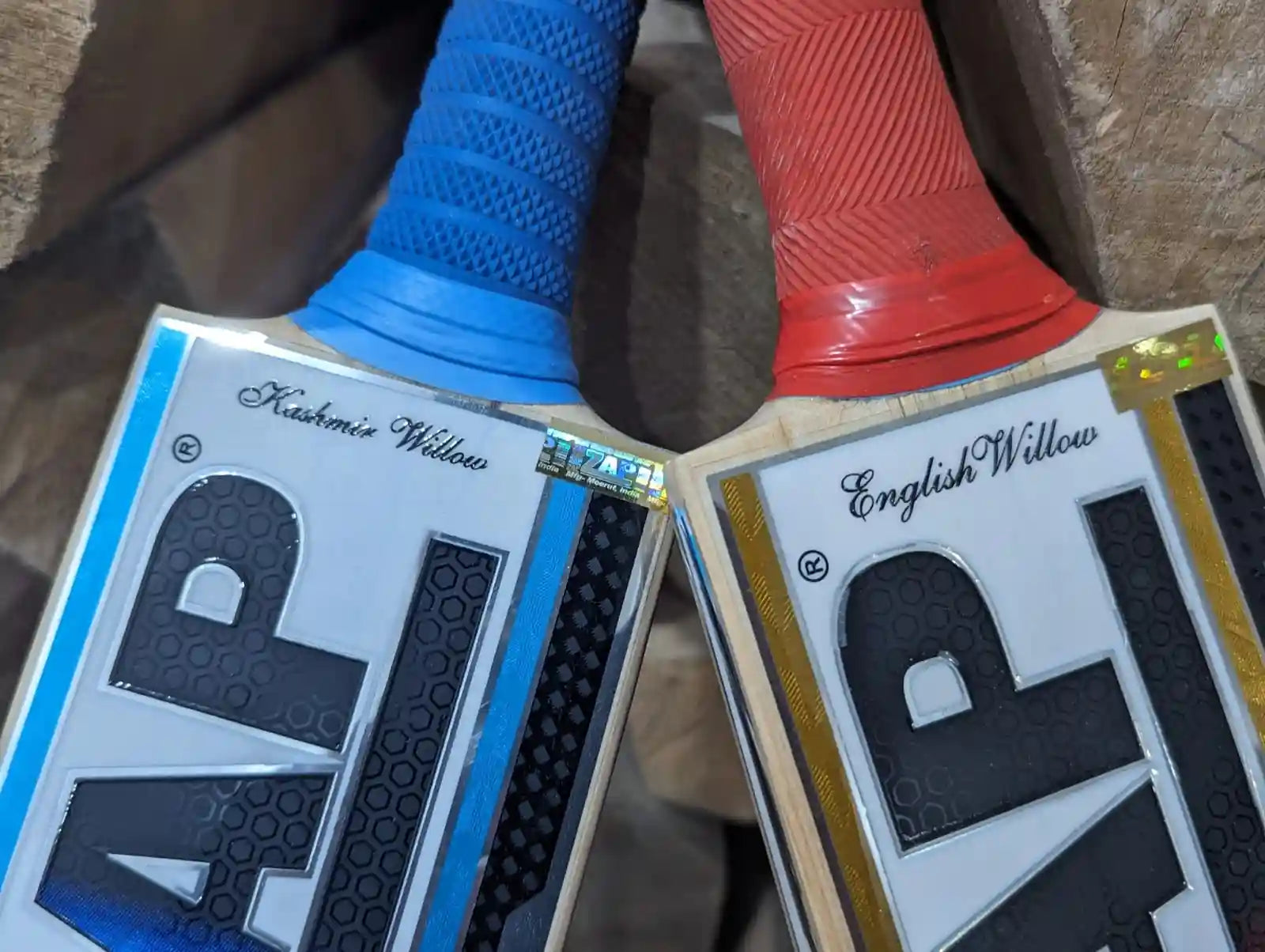
A ZAP Kashmir Willow and English Willow Cricket Bat leaning into each other

English Willow vs Kashmir Willow - Which bat should you choose?
English Willow and Kashmir Willow bats serve different players and budgets. This ZAP Cricket comparison explains feel, pickup, sweet spot, grains, grading, profile, handles and price so you can choose the right cricket bat for your playing level.

Read moreabout English Willow vs Kashmir Willow - Which bat should you choose?

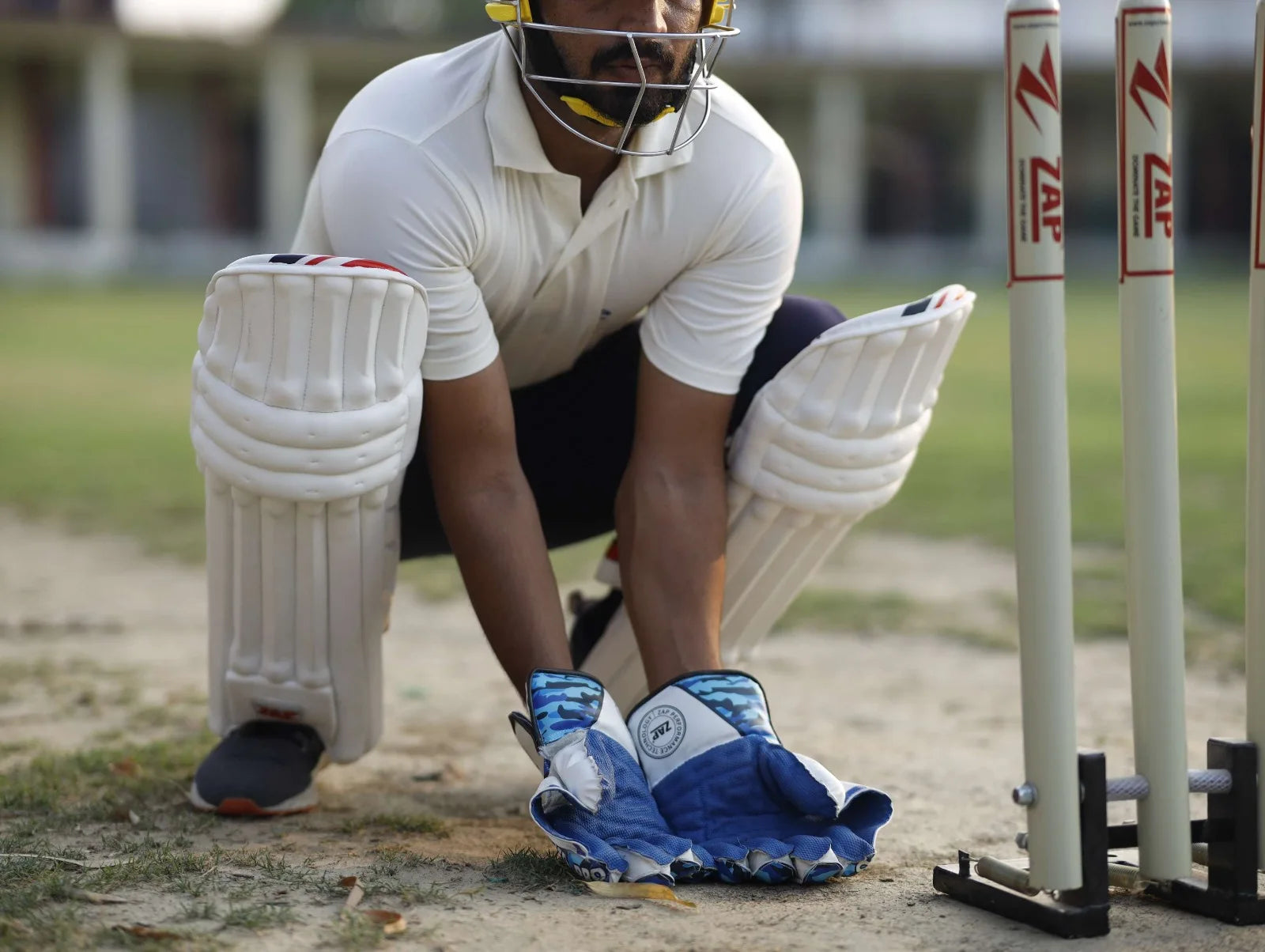
A wicket keeper in the squat wicket keeping position behind the stumps, wearing the ZAP Wicket Keeping kit

Cricket Fielding Positions: A Tactical Guide
Fielding is an underrated yet crucial aspect of cricket. It plays a significant role in winning matches. Fielding positions are strategic and can impact the game. Wicket keeping requires reflexes and decision-making skills. Slips are for exceptional fielders, while gully provides extra protection. Mid on and mid off stop shots down the ground. Long on and long off are deep versions of mid on and mid off. Third man and fine leg are near the boundaries. Point fields shots on the offside. Cover and square leg positions require stopping specific shots. Mid wicket is an important position. Close fielding positions are used in test cricket. Fielding strategies can vary based on the format and game situation.

Read moreabout Cricket Fielding Positions: A Tactical Guide

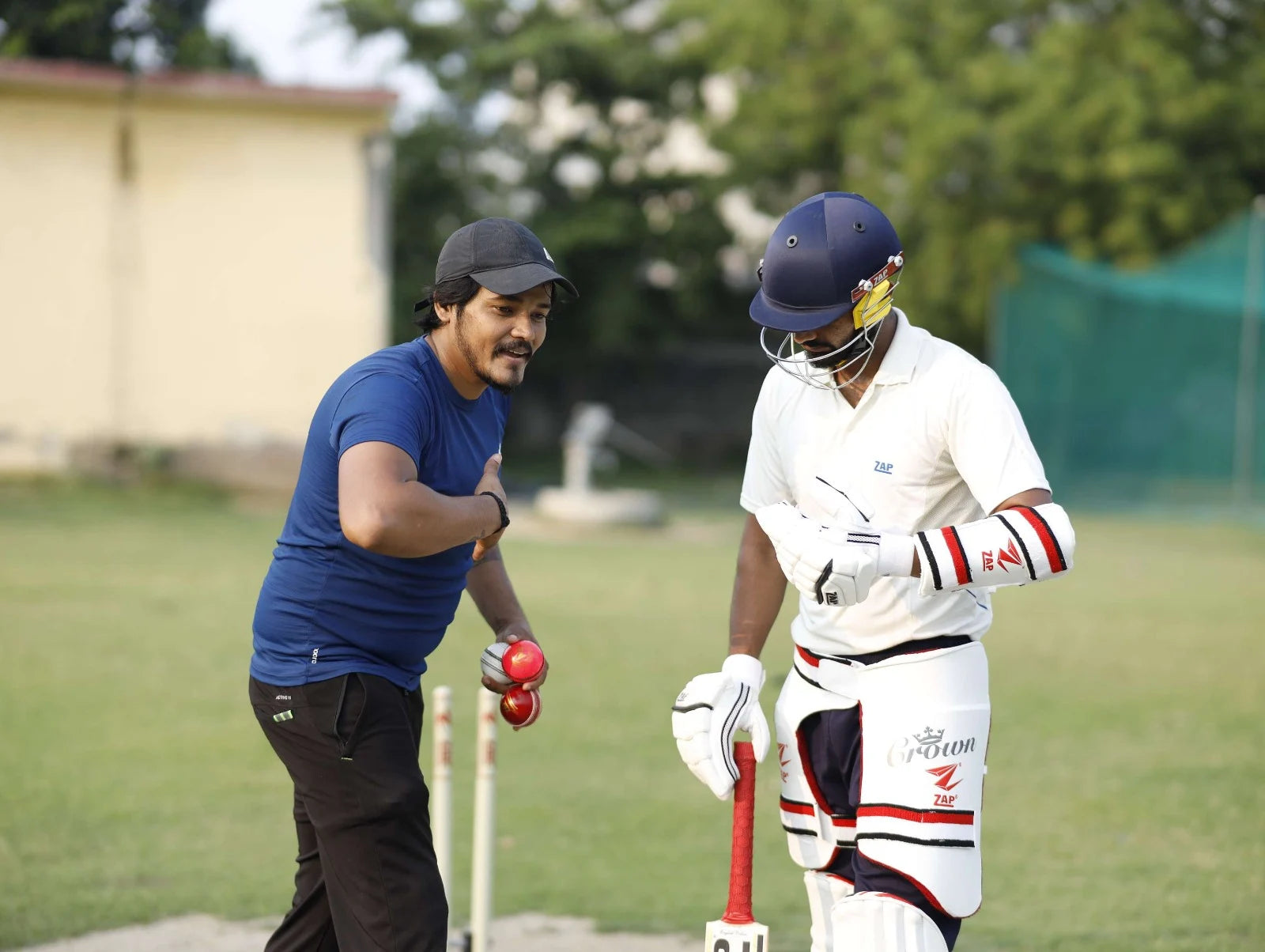
A cricket coach explains the right batting to the batsman

Why you should join a Cricket Academy?
Joining a cricket academy can give players structured coaching, competition, facilities and feedback. ZAP Cricket looks at the benefits and drawbacks of academy training and highlights coaching centres and high-performance facilities worth knowing, including the BCCI Centre of Excellence.

Read moreabout Why you should join a Cricket Academy?

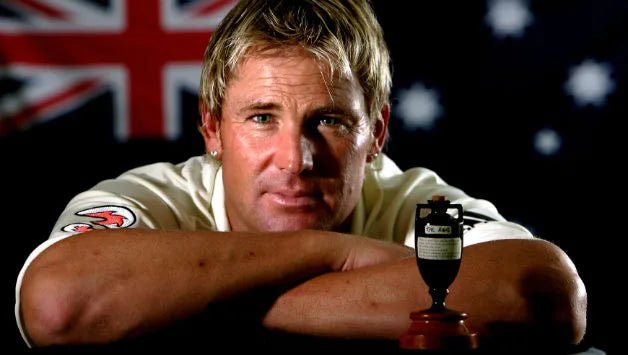
Shane Warne poses with the Ashes urn

Shane Warne: Master of Spin Bowling

The great Australian cricketer Shane Warne was a maestro of leg spin bowling and had a profound influence on the game. With commitment and perseverance, he started playing cricket and worked his way up the ranks to success. Significant performances, such as Warne's debut against India and his pivotal role in the Ashes series, defined his international career. He entered the IPL and signed the Rajasthan Royals after quitting international cricket. Warne's famed "Ball of the Century" captured attention, and his spin bowling style was mesmerising. He outsmarted batsmen by using mental tricks and variations, earning him the title of real master. Warne has a number of records, including 708 Test wickets, a world record when he retired. His influence transcends the game, as he popularized the sport in the non cricketing nations through other sporting events. Despite his passing, Shane Warne's charisma on the field will always be cherished by sports lovers.

Read moreabout Shane Warne: Master of Spin Bowling

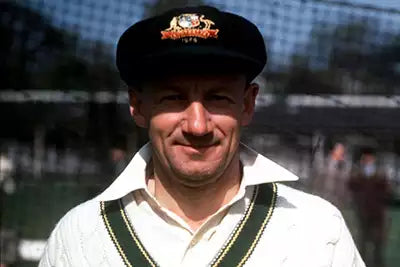
Sir Don Bradman in the Australian Test Whites

Sir Don Bradman: Cricket's Biggest Legend
Sir Donald Bradman, the greatest batsman in cricket history, was born in Australia in 1908. Despite financial constraints, he overcame obstacles to excel in the sport. Bradman's unmatched batting skills and technique made him dominate bowlers effortlessly. He played 52 Test matches, scoring 6996 runs with a record average of 99.94. The infamous Bodyline series was devised to get him out. In 1948, he captained Australia in the Invincible Ashes series, concluding his career with a win. Bradman's average could have been a perfect 100 if not for a duck in his final innings. After retiring, he became a successful entrepreneur, sports journalist, and author. His contributions earned him knighthood. Bradman's legacy lies in his passion for the game and his enduring impact on cricket fans worldwide.

Read moreabout Sir Don Bradman: Cricket's Biggest Legend

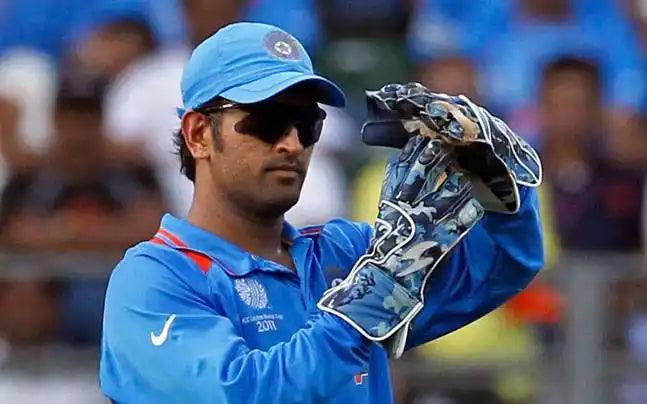
MS Dhoni takes a GRS review in a cricket match as captain

What is Decision Review System (DRS) in Cricket: How does it work?
The Decision Review System (DRS) in cricket allows players and umpires to use technology to review and challenge decisions. It has a history dating back to 1992 and has evolved over time. DRS utilizes ball tracking, hotspot, snickometer, and ultraedge technologies to assist umpires in making better decisions. Teams can challenge umpire decisions a limited number of times per innings, and if successful, the review is retained. DRS is now used for wide and no ball decisions as well. The process involves signaling for a review, the third umpire reviewing the video evidence, and communicating the decision. The use of DRS has made cricket fairer and added intensity to the game.

Read moreabout What is Decision Review System (DRS) in Cricket: How does it work?

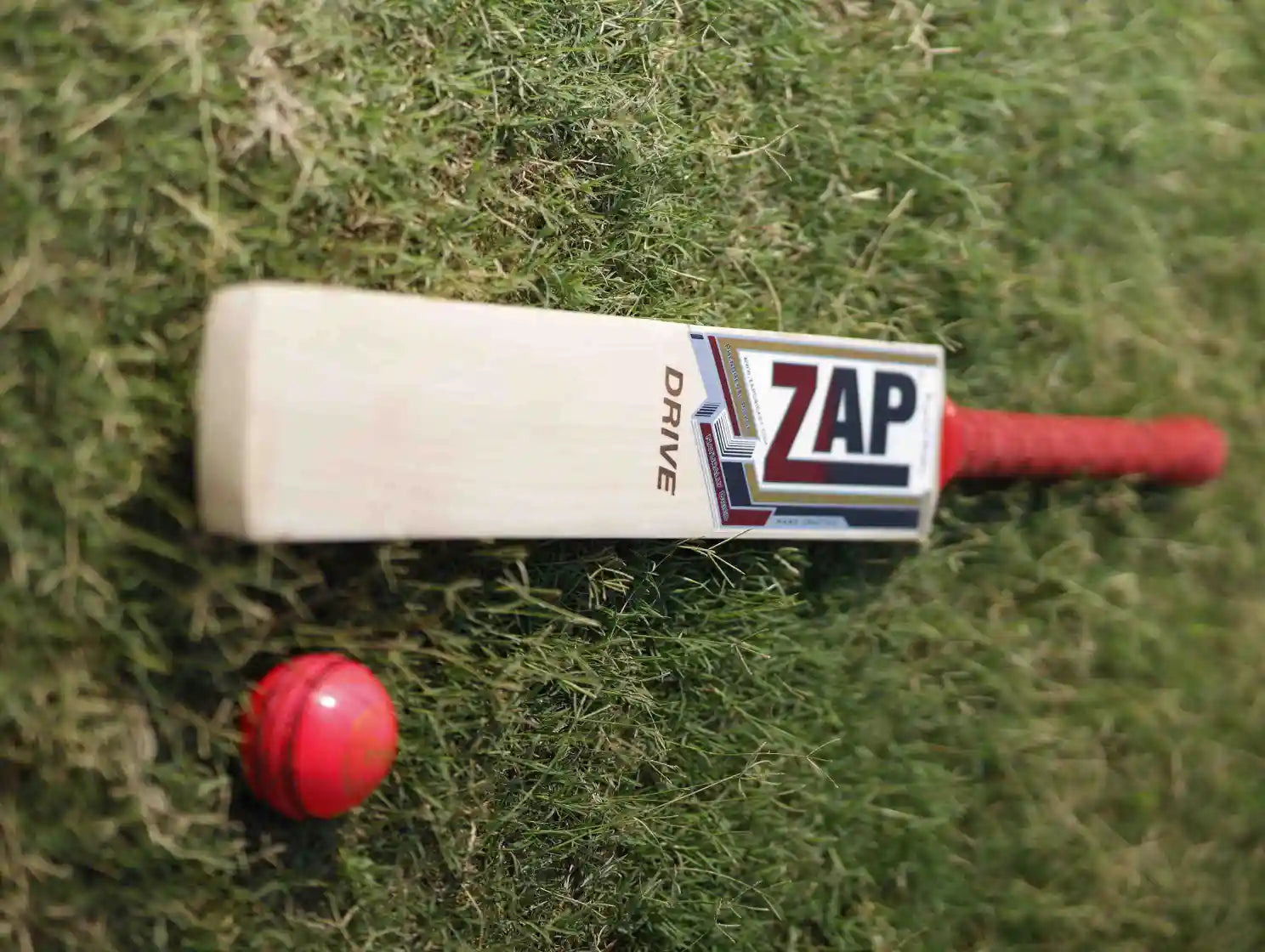
ZAP Cricket Bat and Cricket Ball kept aside each other

Cricket Rules: A Comprehensive Guide

In order to keep things fair and in order, rules and regulations are essential in cricket. They control activities like fielding, bowling, professional competitions, and every format of the game. Test matches allow innings declarations and feature follow-on regulations. New point table regulations have been implemented for the World Test Championship. Power plays are a part of the unique rules and formats that apply to matches with a limited number of overs, such as ODIs and T20s. While the Duckworth-Lewis-Stern (DLS) technique determines target scores in games affected by rain, the Decision Review System (DRS) enables teams to contest umpire decisions. The Impact Player rule, which was implemented for the IPL, places limitations on a substitute's ability to bat and bowl.

Read moreabout Cricket Rules: A Comprehensive Guide

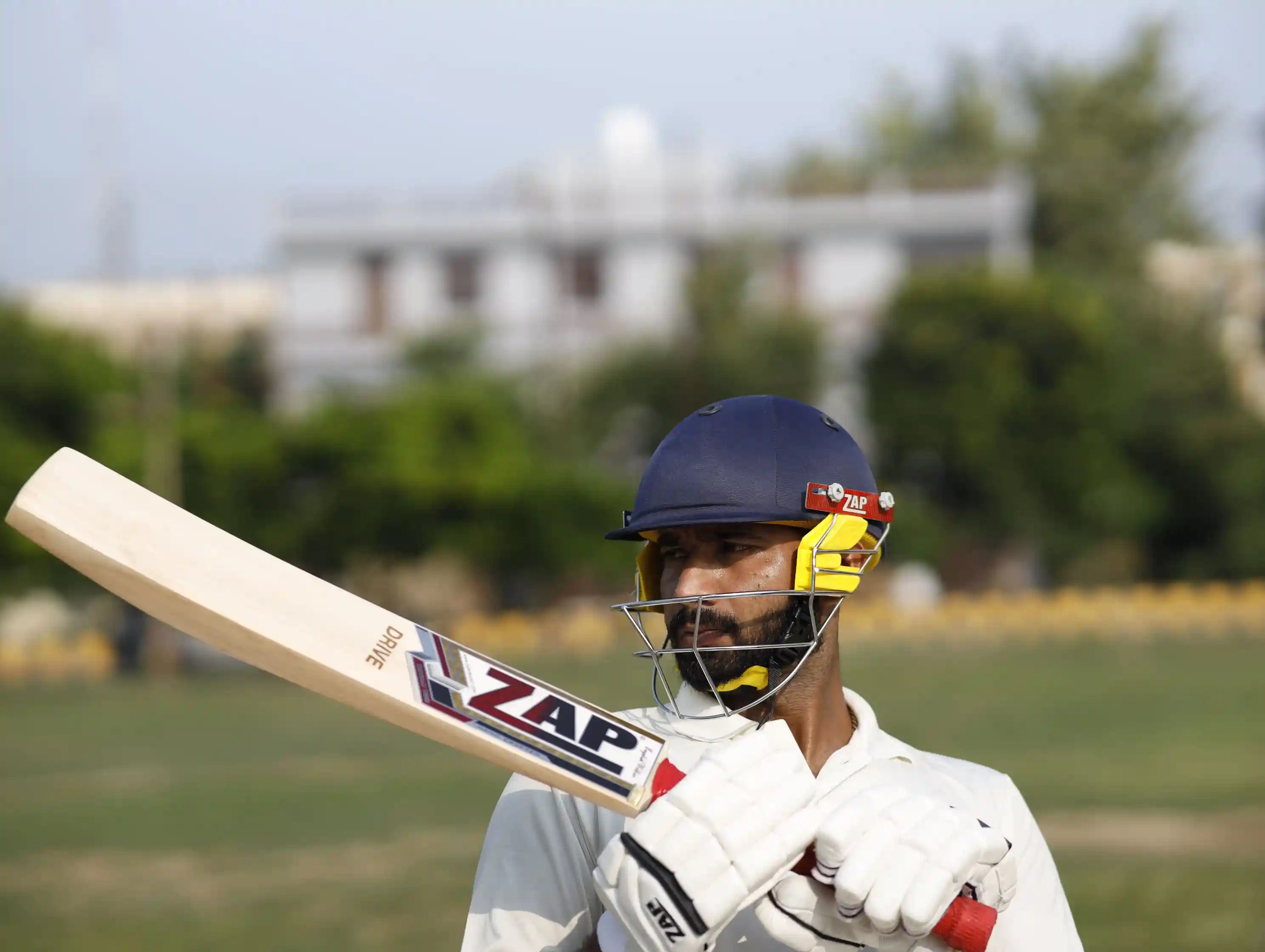
Playing holding a cricket bat while wearing gloves and helmet

How to Play Cricket Like a Pro

Cricket is a strategic and competitive sport played between two teams. To play, you need equipment such as a cricket bat, cricket balls, and stumps. The game involves batting, bowling, and fielding, with each team trying to outperform the other. Scoring runs is the goal of batting, while bowling aims to take wickets. Fielding requires coordination and strategic placement of players. Understanding the rules of the game is essential, and joining a cricket academy can help improve skills.

Read moreabout How to Play Cricket Like a Pro