

- by Mohak Singh
Asian Cricket Council (ACC): Pioneering Cricket Development
- by Mohak Singh
Cricket in Asia is not just a sport, it’s the biggest celebration of skill and competence through the battle between the willow and leather. And the subcontinent comprising India, Pakistan, Sri Lanka Bangladesh and Nepal and comprise more than 2 billion people are the places where the sport is culturally integrated in the lives of people. With so many people playing the sport, there needs to be a structure, a growth plan and a tournament under which each of the teams compete to be crowned champions. This is where the Asian Cricket Council comes in and takes up the job of administration, promotion and growth of the sport throughout the continent.
Last updated: October 6, 2026

Credit: ICC Cricket/ Getty Images
In this chapter about the ACC, Let’s delve deep and understand what and how this organisation works in the favour of growing the sport.
The roots of this organization can be dated back to the 1980s when the sports federations of nations across Asia recognized the need for a central regional body to regulate and coordinate the sporting activities. This need was very imminent as there were more than a billion people that had to be looked after in the continent. The ACC was founded as the Asian Cricket Conference in the year 1983, with the founding members including India, Bangladesh, Malaysia, Pakistan, Singapore, and Sri Lanka and has since expanded to 25 member nations throughout the continent now. In the year 1995, it was renamed to the Asian Cricket Council as it has been a subordinate to the ICC throughout its lifetime.
As of October 2026, Mohsin Naqvi is the President of the Asian Cricket Council. The ACC Board includes representatives from major and developing Asian cricket boards and works alongside the ICC and national governing bodies.
As big as Asia is, there are not many people who pursue cricket in many countries other than the countries in the subcontinent. The council has the task to change this and put our sport as a mainstream game in the lives of people throughout the continent.

Credit: ICC
The task of identifying the local talent and giving them global exposure lies in the hands of the ACC. It is their responsibility that a skilled and talented player does not miss out on the opportunity to play the sport at the highest level.
The board organises multiple tournaments that provide cricket players, both male and female the equal opportunity to get exposed to international matches and competitions from larger countries. The tournaments include the ACC Emerging Teams Tournament, the ACC Women's Asia Cup, the ACC Under-19 Championship and the biggest of them all, The ACC Asia Cup.
The contribution and participation of women’s cricket in any sport is immense for their growth and the council recognizes this very well. And that’s the reason we see so many efforts by the ICC, the ACC and the national bodies like the BCCI that work towards the inclusion of women in the game by organizing tournaments for them and supporting them through grassroot activities. The Women’s Asia Cup is a testament to this fact.

Credit: Female Cricket
The ACC also has the job to be a bridge between the ICC and the individual national boards like the BCCI or the PCB. By working together, sharing resources, and exchanging knowledge, all bodies aim to create a positive and conducive environment for the sport to thrive in Asia.
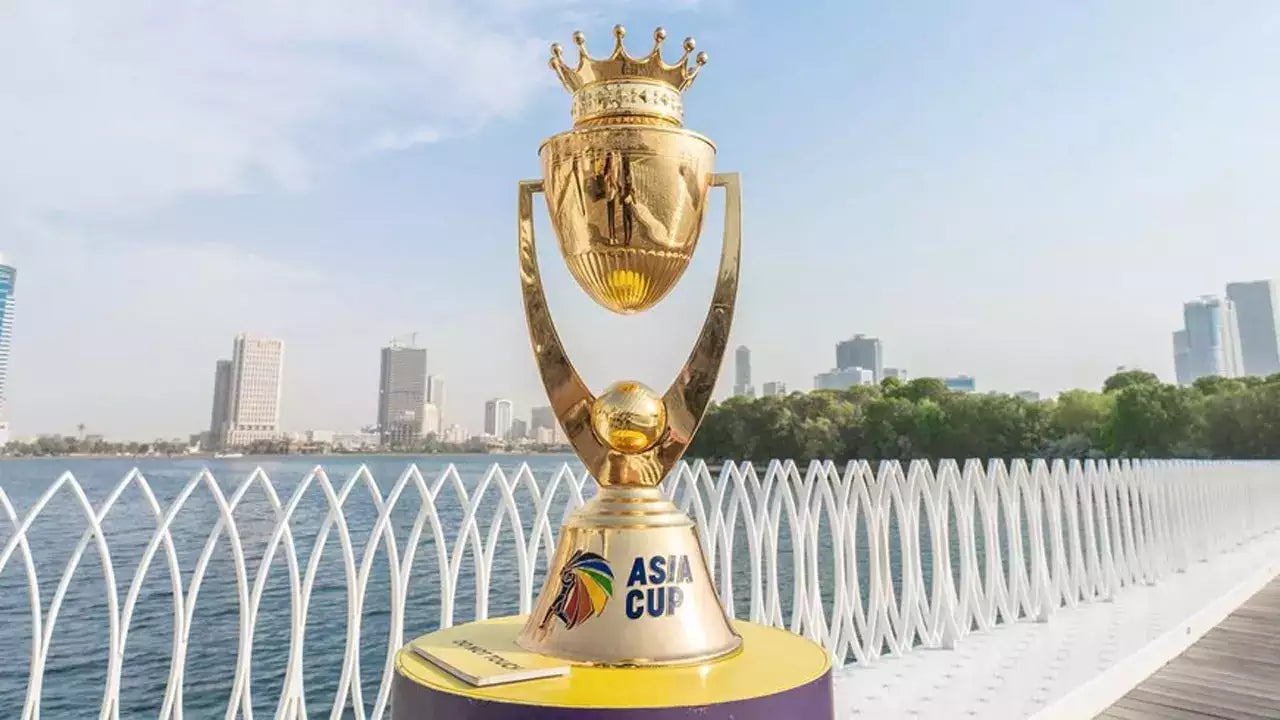
The Asia Cup is one of the ACC's flagship senior tournaments. The format and number of participating teams can vary by edition, with the competition switching between ODI and T20 formats according to the wider international calendar. The first edition of the tournament was played in 1984, where India were the inaugural winners. It is a prestigious tournament that promotes the sport and fosters friendly competition between the best nations in the continent. It follows a round-robin format where each team plays every other team at least once in the group stages and has witnessed intense rivalries, particularly between India and Pakistan. The competition is under the administration of the ACC and is extremely important since it improves relations between nations and gives up-and-coming players a stage. Recent editions have continued to keep Asian rivalries at the centre of the international calendar. The ACC also runs men's and women's youth, emerging-team and premier competitions to give developing cricket nations more regular high-level competition.

Credit: ESPN Cricinfo
The 2023 Asia Cup was staged under a hybrid model across Pakistan and Sri Lanka. By 2026, the ACC calendar had expanded further, with events including the Men's Premier Cup, Women's Premier Cup, Rising Stars competitions and the Women's T20 Asia Cup. India won the 2026 Women's T20 Asia Cup final against Sri Lanka in Dubai.
The development of the sport in the largest continent has been fuelled by the Asian Cricket Council. The growth and opportunity to youngsters and up and coming nations in the continent like Hong Kong, Nepal, Oman and UAE has can be credited to the ACC. As time passes, the ACC will continue to work hard to help, develop and grow cricket throughout the largest continent.
Share:
Women's Cricket: The History, Evolution and the Modern Leagues
The Inspiring Career of Mithali Raj