

Newsroom

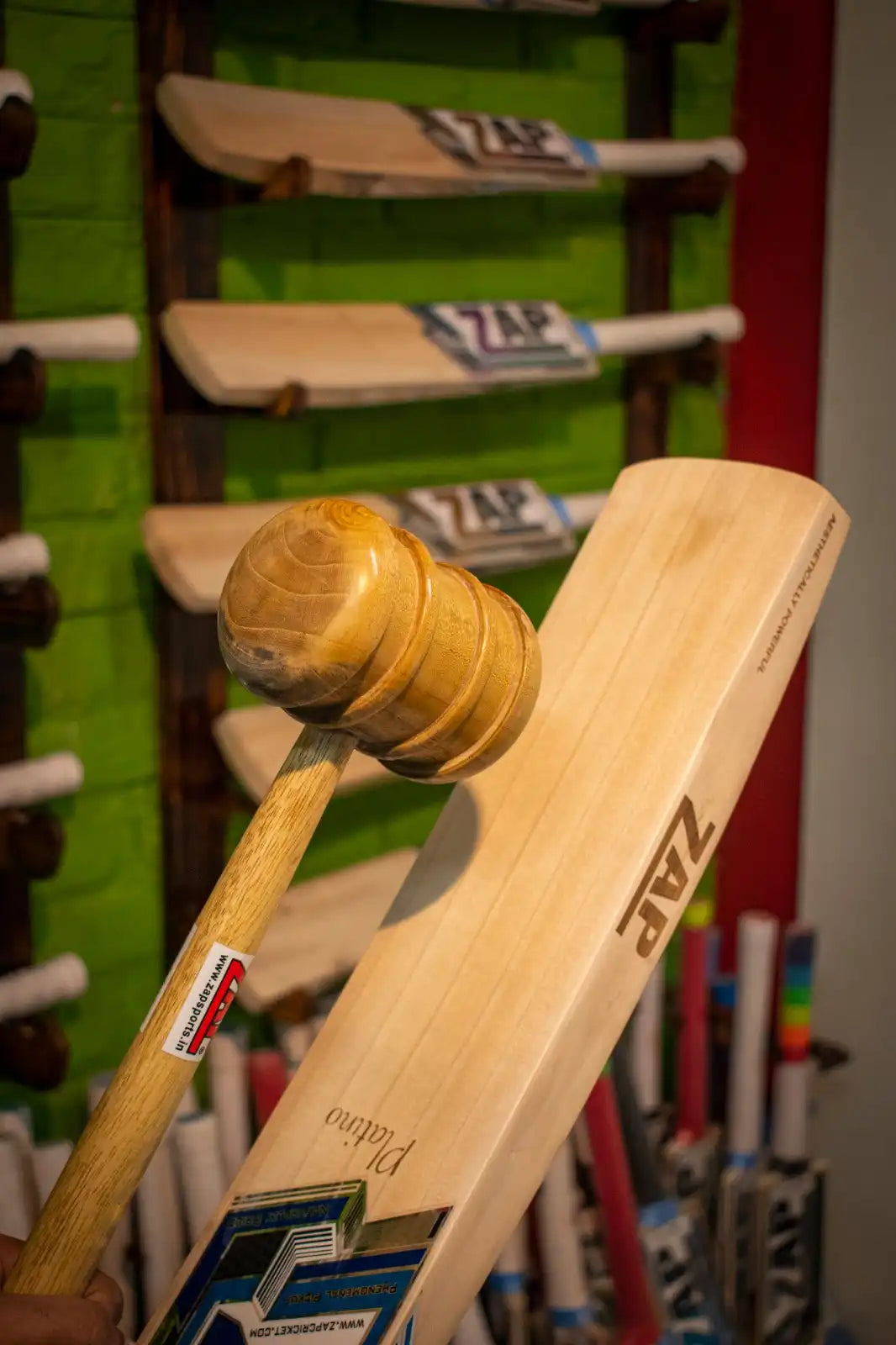
Knocking a cricket bat with a bat mallet

Cricket Bat Knocking Tips: Boost Your Game
Cricket bat knocking prepares the willow surface for leather-ball impact. This ZAP Cricket guide explains mallet work, old-ball testing, gradual force, edge and toe care, scuff sheets, oiling and how to judge when a bat is ready for play.

Read moreabout Cricket Bat Knocking Tips: Boost Your Game

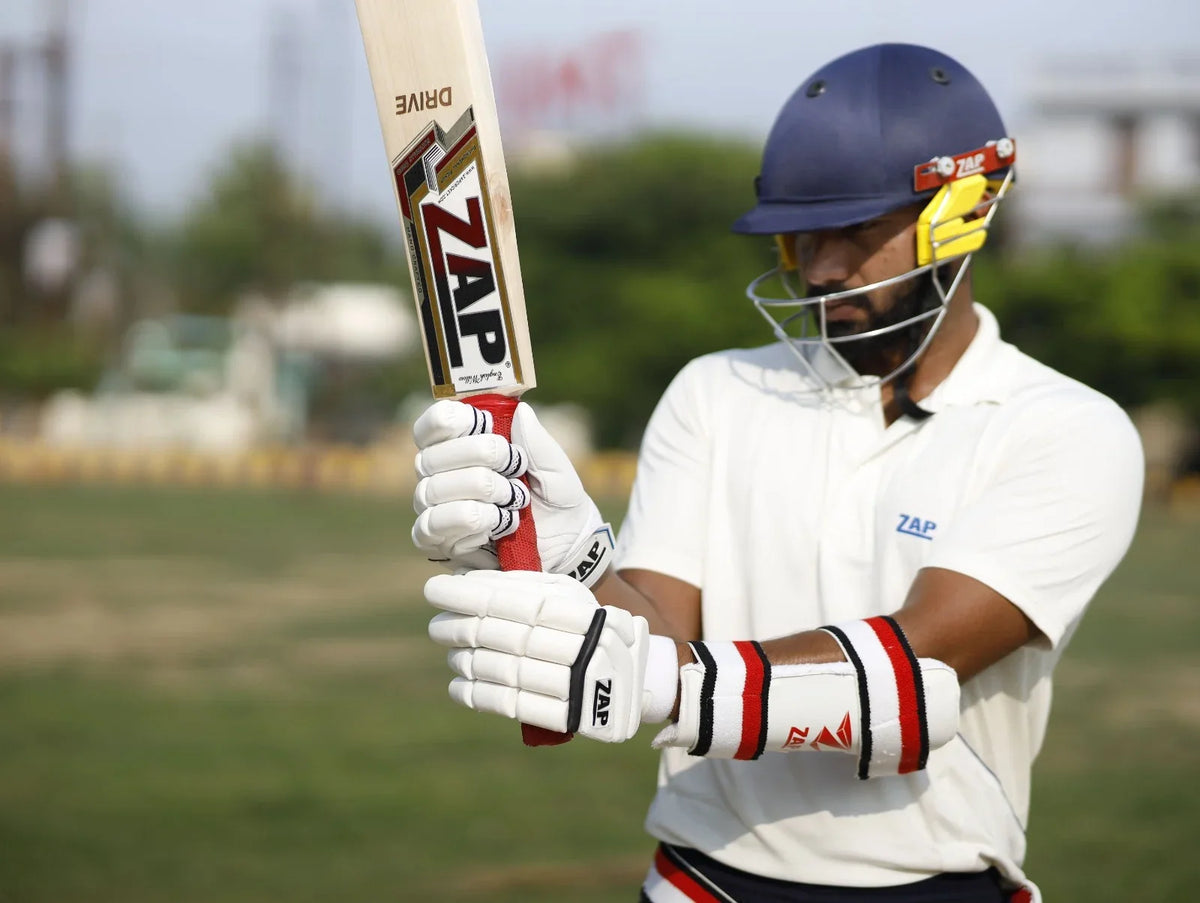
The batsman checks his grip holding a ZAP Cricket Bat before taking his batting stance

How to Hold a cricket Bat?

Learn how to hold a cricket bat using the orthodox V grip and other variations such as the O grip, Knott grip and open-face grip. ZAP Cricket explains how grip choice can affect bat-face control, shot-making and comfort, while recognising that successful batters often adapt the basics to suit their own style.

Read moreabout How to Hold a cricket Bat?

A ZAP Kashmir Willow and English Willow Cricket Bat leaning into each other

English Willow vs Kashmir Willow - Which bat should you choose?

English Willow and Kashmir Willow bats serve different players and budgets. This ZAP Cricket comparison explains feel, pickup, sweet spot, grains, grading, profile, handles and price so you can choose the right cricket bat for your playing level.

Read moreabout English Willow vs Kashmir Willow - Which bat should you choose?

A wicket keeper in the squat wicket keeping position behind the stumps, wearing the ZAP Wicket Keeping kit

Cricket Fielding Positions: A Tactical Guide

Fielding is an underrated yet crucial aspect of cricket. It plays a significant role in winning matches. Fielding positions are strategic and can impact the game. Wicket keeping requires reflexes and decision-making skills. Slips are for exceptional fielders, while gully provides extra protection. Mid on and mid off stop shots down the ground. Long on and long off are deep versions of mid on and mid off. Third man and fine leg are near the boundaries. Point fields shots on the offside. Cover and square leg positions require stopping specific shots. Mid wicket is an important position. Close fielding positions are used in test cricket. Fielding strategies can vary based on the format and game situation.

Read moreabout Cricket Fielding Positions: A Tactical Guide

A cricket coach explains the right batting to the batsman

Why you should join a Cricket Academy?

Joining a cricket academy can give players structured coaching, competition, facilities and feedback. ZAP Cricket looks at the benefits and drawbacks of academy training and highlights coaching centres and high-performance facilities worth knowing, including the BCCI Centre of Excellence.

Read moreabout Why you should join a Cricket Academy?

Virat Kohli effortlessly drives the ball through the cover playing a picturesque cover drive

Cover Drive in Cricket: The Art of Elegant Batting

The cover drive in a special cricket sot and is the sign of a technically sound batsman. The shot is essential to counter the outswingers and ball bowled on the off stump. Precise timing, accurate footwork, proper grip and stance are all key to a well placed stroke. The off drive and the backfoot cover drive are both variations of the stroke. Some common mistakes to avoid are making wrong decision, lunging too far or losing focus while playing the shot. mastering this stroke will allow you to dominate you off side game. 

Read moreabout Cover Drive in Cricket: The Art of Elegant Batting

Shane Warne poses with the Ashes urn

Shane Warne: Master of Spin Bowling

The great Australian cricketer Shane Warne was a maestro of leg spin bowling and had a profound influence on the game. With commitment and perseverance, he started playing cricket and worked his way up the ranks to success. Significant performances, such as Warne's debut against India and his pivotal role in the Ashes series, defined his international career. He entered the IPL and signed the Rajasthan Royals after quitting international cricket. Warne's famed "Ball of the Century" captured attention, and his spin bowling style was mesmerising. He outsmarted batsmen by using mental tricks and variations, earning him the title of real master. Warne has a number of records, including 708 Test wickets, a world record when he retired. His influence transcends the game, as he popularized the sport in the non cricketing nations through other sporting events. Despite his passing, Shane Warne's charisma on the field will always be cherished by sports lovers.

Read moreabout Shane Warne: Master of Spin Bowling

Sir Don Bradman in the Australian Test Whites

Sir Don Bradman: Cricket's Biggest Legend

Sir Donald Bradman, the greatest batsman in cricket history, was born in Australia in 1908. Despite financial constraints, he overcame obstacles to excel in the sport. Bradman's unmatched batting skills and technique made him dominate bowlers effortlessly. He played 52 Test matches, scoring 6996 runs with a record average of 99.94. The infamous Bodyline series was devised to get him out. In 1948, he captained Australia in the Invincible Ashes series, concluding his career with a win. Bradman's average could have been a perfect 100 if not for a duck in his final innings. After retiring, he became a successful entrepreneur, sports journalist, and author. His contributions earned him knighthood. Bradman's legacy lies in his passion for the game and his enduring impact on cricket fans worldwide.

Read moreabout Sir Don Bradman: Cricket's Biggest Legend

MS Dhoni takes a GRS review in a cricket match as captain

What is Decision Review System (DRS) in Cricket: How does it work?

The Decision Review System (DRS) in cricket allows players and umpires to use technology to review and challenge decisions. It has a history dating back to 1992 and has evolved over time. DRS utilizes ball tracking, hotspot, snickometer, and ultraedge technologies to assist umpires in making better decisions. Teams can challenge umpire decisions a limited number of times per innings, and if successful, the review is retained. DRS is now used for wide and no ball decisions as well. The process involves signaling for a review, the third umpire reviewing the video evidence, and communicating the decision. The use of DRS has made cricket fairer and added intensity to the game.

Read moreabout What is Decision Review System (DRS) in Cricket: How does it work?