

- by ZAP Cricket
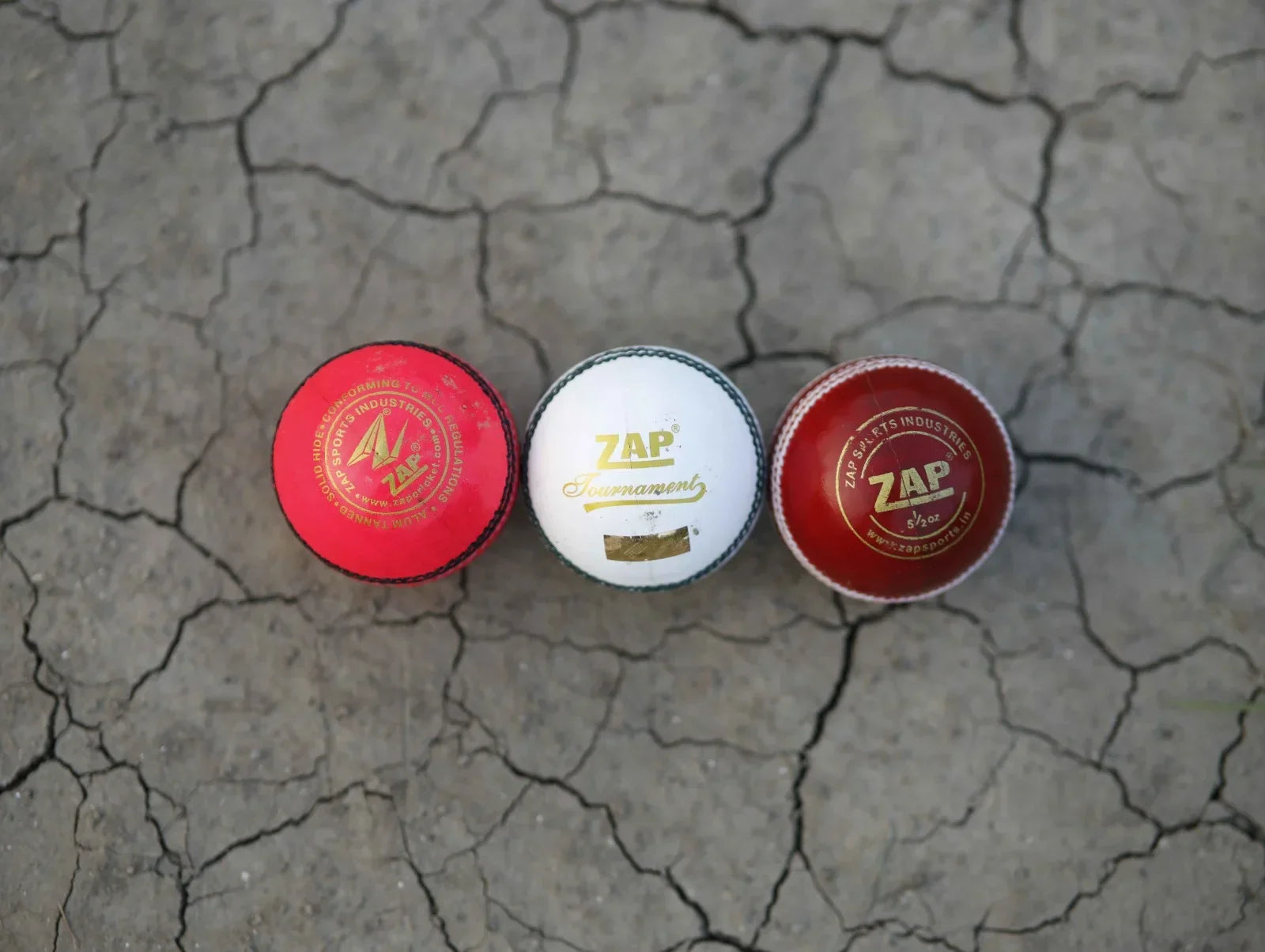
What is the right colour of the ball to play with in your practice sessions?
- by ZAP Cricket
Cricket is rapidly evolving, and it's more competitive than ever. For young cricketers aspiring to represent their nation, smart practice is crucial. Achieving optimum results requires a balance between quality and quantity, along with a focus on precision. One small yet impactful detail is the colour of the cricket ball used during practice.
Last updated: October 7, 2026

In this article by ZAP, we will understand the difference between the red, white and pink leather cricket balls and know which ball to include in your practice sessions.

Cricket is played in three main formats: T20, One Day Internationals (ODIs), and Test matches. Each format uses different types of balls:
Selecting the right ball for practice based on the format being focused on that day can provide a more realistic match scenario, your you an edge.
The most important difference for practice is match use and visibility. Red balls are traditional in daytime longer-format cricket, white balls are standard in ODIs and T20s, and pink balls are used for day-night Tests and selected longer-format matches.
Do not assume colour alone guarantees a specific amount of swing, seam or durability. Construction, lacquer and finishing vary by manufacturer, while movement also depends on seam condition, surface wear, bowler skill, weather and pitch conditions.
Use a white leather ball when preparing for limited-overs matches, especially if you want practice that closely resembles ODI or T20 visibility and fielding conditions.
Use a red leather ball for traditional Test or first-class style preparation and for longer spells where you want to practise managing an ageing leather ball.
Use a pink ball when preparing for day-night or pink-ball longer-format cricket, particularly if training includes twilight or floodlight conditions.
Selecting the appropriate ball for practice involves considering several factors:
Also Read: Cricket Batting Techniques | Cricket Bowling Techniques | Cricket Fielding Techniques
| Your match | Closest practice option |
| ODI / T20 leather-ball cricket | White leather ball |
| Daytime Test / first-class cricket | Red leather ball |
| Day-night longer-format cricket | Pink leather ball |
| Technique drills / beginners | Tennis or synthetic balls can reduce intensity and simplify repetition, but they do not perfectly reproduce leather-ball bounce, seam or impact |
Often times, coaches at cricket academies advise young cricket players to start off with tennis balls or synthetic leather balls. These are good for beginners who are just beginning to learn batting, bowling, and fielding techniques. Synthetic balls or wind balls can emulate the seam position and weight of a proper leather ball but are safer to use in the beginning.
Not just for beginners, a lot of intermediate and pro cricket players also use tennis balls in their batting drills. They are excellent for players to hone their skills and get even better at their craft.
White balls are used in limited-overs formats and wear out quickly, red balls are used in Test matches and offer more swing, and pink balls are used in day-night Tests for better visibility under lights.
The MCC dictates the weight and according to them, when new, it should weigh between 5.5 and 5.75 ounces. The weight of a ball in grams is between 155.9 and 163 g and in kgs is around 0.1559 kgs and 0.163kgs.
Share:
Exploring the Essentials: What Goes Inside a Cricket Kit Bag?
Jacques Kallis - The GOAT of All Rounders in Cricket
1 comment
This is a beautifully clear and practical breakdown of how choosing the right ball colour can optimally prepare you for different formats of cricket! I especially appreciate how you’ve highlighted the unique features of each ball. For more information just click