

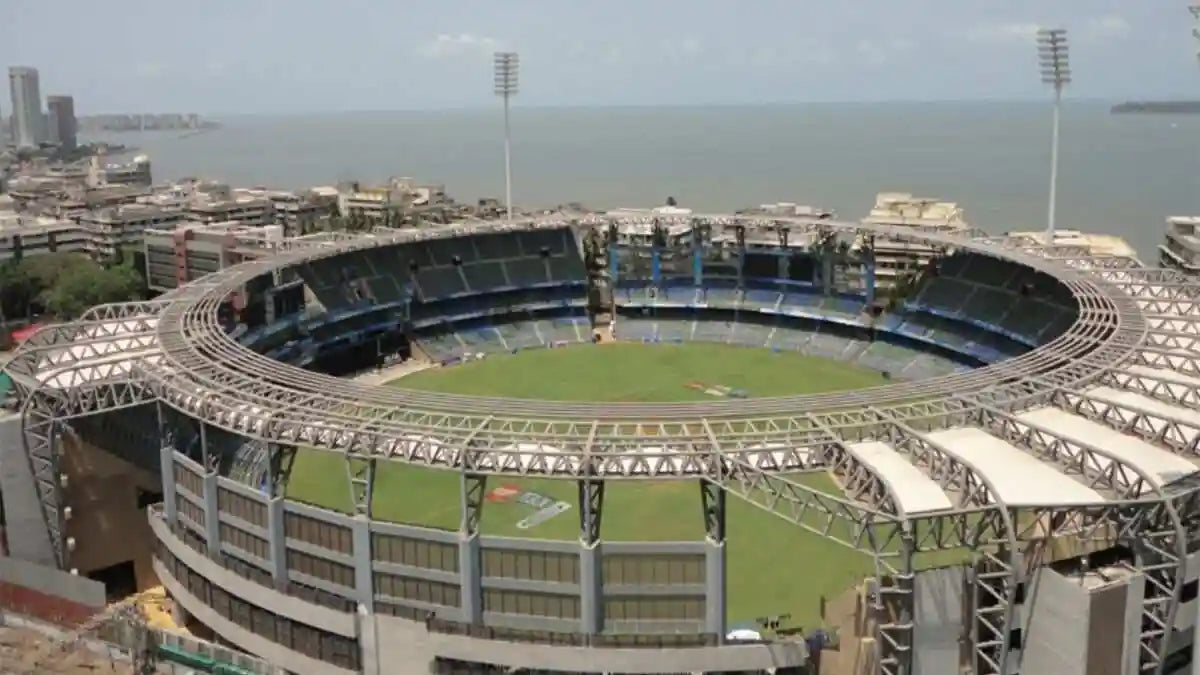
April 2, 2011, a day forever etched in the mind of every Indian. After a 28 years of struggle to winning the ultimate trophy, being eerily close on many occasions and coming from a disastrous 2007 ICC World Cup, this day was set to win it. It required just one more performance in the World Cup Final against Sri Lanka, and the Indian Cricket Team was crowned world champions for the second time in history. But that day wasn’t just about the players turning up. The Wankhede Stadium took centre stage on that unforgettable day. The crowd that turned up on that scorching day in summer, and the atmosphere it created with all the cheers and the Vande Mataram Chants made the stadium come alive. The ground was buzzing with excitement and hope for the entire day. And I know the only visuals you can remember of the moment is the iconic MS Dhoni six, sailing over the boundary ropes, sealing the match for India at the Wankhede. The day ended with fireworks all around, tears of joy in everyone’s eyes and with the ground becoming a beating heart of a nation united in its love for the sport. That’s the legacy of the Wankhede Cricket Ground, and let’s explore more about it in ZAP’s new article.
Last updated: October 7, 2026

Credit: Moneycontrol
The history of cricket in India goes back to the start of the 20th Century and Mumbai was one of the cities where the sport was super popular. Historically, Mumbai has witnessed Test matches being played at three different grounds. In 1933–1934, the first-ever Test match in India was held at the Mumbai Gymkhana ground against England, and after World War II The Brabourne Stadium of the Cricket Club (CCI) of India Ltd. hosted 17 Test matches. However, there were disagreements over ticket distribution between the CCI and the Bombay Cricket Association (now the MCA). After this disagreement, it was decided that a new stadium would be constructed, under the then-secretary of the Mumbai Cricket Association, S. K. Wankhede, and that’s how the stadium got its name. The first match that was played here was the 1974-75 Test match between West Indies and India, during the West Indies Tour of India.

Credit: ESPN Cricinfo
The Wankhede stadium was built and completed in 1974, but the stadium underwent a major renovation in 2010 to ensure compliance with international standards set for the 2011 ICC ODI World Cup. The redevelopment not only modernized the infrastructure but also expanded Wankhede Stadium's seating capacity to 32,000 spectators. Both the North and South ends of the stadium underwent significant renovations, adding greater amenities for the fans such as bucket seats, a huge number of restrooms, and food courts. One of the standout features of the Wankhede Stadium is its cantilevered fabric roof, ingeniously designed to offer an unobstructed view of the field from every seat in the house. This architectural marvel allows fans to immerse themselves in the action without any hindrances of pillars and beams blocking the sightlines.

Credit: X.com
The venue which is the home ground of the 5 time Indian Premier League Champions, Mumbai Indians is traditionally not considered a huge ground in terms of boundary length and dimensions. It is one of the smaller cricket grounds in India. The square boundaries are a mere 64 to 68 metres and the straighter boundaries are about 68-72 metres. The two bowling ends at the stadium are The Garware Pavilion End and Tata End.
Read More: Narendra Modi Stadium | Maharashtra Cricket Association Stadium | Rose Bowl Stadium

Credit: Hindustan Times
Situated beside Mumbai's iconic marine lines, the Wankhede Stadium boasts a pitch similar to the city's famed coastal terrain. The pitch is made of local red soil which adds extra bounce making batting slightly easier. Earlier, the Wankhede Stadium pitch did support bowling as much as batting, but now over the years, it has generally favoured the batters more than the bowlers. Generally, the pace bowlers get some help off the pitch here with the new ball due to sea-breeze flow along the stadium. Because it is beside the sea, there’s always a dew factor at this ground that comes into play during the second innings. And because of the excessive dew, even gripping and holding onto the ball gets difficult and batting becomes super easy. Spinners usually don't work at all in the second innings and that’s the reason captains always prefer chasing in matches here.
To help take advantage of such a batting paradise of a pitch, here are some tips and techniques for you:
Batting Tips and Techniques | How to play the straight drive | How to play the cover drive | How to play the Pull Shot

Credit: Wikimedia Images
The Mumbai Cricket Association, originally known as the Bombay Cricket Association, oversees the sport in Mumbai and its neighbouring communities of Thane, Palghar, and Navi Mumbai. Their headquarters are in Churchgate in Mumbai, and the iconic Wankhede Stadium is as their home ground. They are a superpower in First Class Cricket in India with the Mumbai team having won the Ranji Trophy an incredible 41 times.
We’ve already mentioned about the world cup final which is by far the greatest moment not just for this stadium for all of India. Let’s see some more moments that define the legacy of this cricket ground.

Credit: ESPN Cricinfo

Credit: ESPN Cricinfo

Credit: Scroll.in

Credit: ESPN Cricinfo
Wankhede has hosted Test cricket since 1975, so fixed match-count totals can become stale as new fixtures are added.

Credit: The Sports Rush
A total of 29 ODI games have been played at this ground and here are the stats that you should know.

Credit: ESPN Cricinfo
9 T20 internationals have been played at this ground.

Credit: Mumbai Indians
The Wankhede Stadium is the Home ground for the Mumbai Indians team and the atmosphere at the ground during IPL matches is electric. Known for huge run scored and batsman hitting sixes with ease, an IPL match here is a complete entertainer.
109 IPL Matches have been played at the ground in all. Here are all the IPL Records at this ground you should care about:
The Wankhede Cricket Stadium is one most iconic grounds in India. Now, even for the 2023 ICC ODI World Cup, India will play a league stage game against Sri Lanka, a replay of the 2011 Final, and the match will be a sight to behold. It’s picturesque location in the financial capital on India which will continue to host some important matches ahead.
Now that you have read about Wankhede Stadium, here are some more article we recommend reading:
Share:
Suresh Raina: India's Most Underrated Cricketer
The Legacy of Mumbai Indians: An IPL Dynasty